What Are Lip Fillers? Types, Cost, and Results Explained
Thinking about lip fillers but not sure where to start? You’re not alone. From fuller lips to softening the fine lines above your mouth, lip dermal fillers are usually one of the first options people look into.
To decide if they’re right for you, it helps to understand what lip fillers are and what they cost. This guide walks through those basics, the different types available, what happens at your appointment, and how to spot a qualified provider. Let’s start from the top.
Key Takeaways
- Most lip fillers are made from hyaluronic acid (HA), a substance your body already produces, so results look soft and natural, and you can dissolve them later if you change your mind.
- HA results appear right away and typically last 6 to 12 months. They fade gradually rather than disappearing all at once, so most people plan on a touch-up once or twice a year.
- Dermal fillers can add volume or smooth the fine lines above the mouth, with the exact approach depending on the product and technique your injector uses.
- Pricing depends mainly on your provider’s experience and location, along with how much filler your goals require.
- Choosing a licensed medical injector over a salon or party setting is the single biggest factor in a safe, natural-looking result.
What Are Lip Fillers?
Lip fillers are injectable gels that add volume and shape to the lips. Most lip dermal fillers are made from hyaluronic acid, a substance your body produces naturally to keep skin hydrated and plump.
An injector places small amounts of gel into targeted areas of the lips. Depending on your goals, this can add fullness to the lips and sharpen the lip border. It can also soften the fine lines that form around the mouth. Results appear immediately and continue to settle over the next two to four weeks as swelling resolves.
Because HA already exists in the body, this type of filler is well tolerated and reversible. An injector can dissolve it with an enzyme if you’d like to make a change. Dermal fillers for the lips often fit into a broader facial treatment plan, too.
Why People Get Lip Fillers
Once you know what lip fillers do, the next question is usually why so many people choose them. Some notice their lips thinning with age as natural volume fades. Others were born with thin or uneven lips and want more balance. And a growing number of people are specifically looking for dermal fillers for lip lines, the vertical creases that develop above the upper lip over time.
At SHINE, injectors look at how your lips relate to the rest of your face (an approach known as facial balancing). The goal is a result that supports your features rather than one that stands out on its own.
Dermal Fillers for Lip Lines and Wrinkles Above the Lips
Not everyone who looks into lip fillers is after more volume. Many people are searching for dermal fillers for lip wrinkles specifically: the fine vertical lines that form above the upper lip, sometimes called “lipstick lines.” These lines develop from a mix of natural aging, sun exposure, repeated pursing motions (like smoking or sipping through a straw), and gradual collagen loss.
Dermal fillers above the lips are typically a thinner, softer HA formula than the product used for volume, since the goal is to smooth texture rather than add shape. An injector places tiny amounts along the lip border and into individual lines to fill them in without changing the overall look of the mouth. Some patients treat lip lines with filler alone, while others combine it with a lip flip using Botox® (more on that below).
Types of Lip Fillers
Different goals call for different products. Most lip enhancement today uses hyaluronic acid gels, though some people pair a filler with a lip flip using Botox for a subtler change in shape. Each option works differently and lasts a different amount of time. Results also depend on the specific product your injector selects.
Your injector can walk you through the difference between Botox and fillers as well as which approach (or combination) fits your goals during a consultation.
Filler Type |
How It Works |
Typical Longevity |
Best For |
| Hyaluronic acid gels | Injected gel adds volume and can be dissolved | 6 to 12 months | Soft, natural, reversible results |
| Lip flip with Botox | Relaxes the muscle around the mouth so the upper lip rolls slightly outward | 2 to 3 months | A subtle lift without added volume |
| Filler + lip flip | Combines added volume with a relaxed lip muscle | Varies by treatment | Fuller lips plus softer lip lines |
Hyaluronic Acid Fillers (Juvéderm, Restylane, Belotero)
Hyaluronic acid fillers are the top choice for lips, with effects the FDA notes typically last 6 to 12 months. They feel soft and natural, and your injector can dissolve them if you want to adjust the result.
Injectors match the product to your goals. Common lip dermal filler brands include Juvéderm, Restylane, and Belotero products such as Volbella, Ultra XC, Silk, and Kysse. Some add subtle volume, while others are built to soften the fine lines above the lip (dermal fillers for upper lip lines).
Lip Flip with Botox
A lip flip uses a small amount of Botox placed along the upper lip border. It relaxes the muscle that circles your mouth, which lets the upper lip turn slightly outward. More of the lip shows, especially when you smile, but no volume is added.
A lip flip is a good fit if your upper lip seems to disappear when you smile, or if you want a subtle change before committing to filler. Because it relaxes pursing, it can also soften the fine lines above the lip. Results build over about one to two weeks and typically last two to three months.
Combining a Lip Flip with Filler
Many patients get both. Filler adds shape and fullness, while a lip flip relaxes the muscle that creates lip lines and makes the upper lip more visible. Your injector can explain the difference between Botox and fillers during your consultation, and help you decide whether one or both fits your goals.
How Long Do Lip Fillers Last?
The type of filler you choose shapes how long results last. HA lip fillers typically last 6 to 12 months, with some people seeing results up to 18 months. Your body gradually breaks the gel down over time, so results fade slowly rather than all at once.
A few things affect your timeline. A faster metabolism or very active lips can cause results to fade sooner, and smaller treatment volumes may not last as long. The upper lip often holds filler longer than the lower lip simply because it moves less.
Most people schedule a touch-up once or twice a year to maintain their look. If you’d prefer a subtle lift without added volume, a lip flip with Botox is a different option. Results typically last two to three months.
How Much Do Lip Fillers Cost?
Lip filler pricing depends on your provider’s training, your location, the brand of filler used, and how many syringes your goals require. Cost shouldn’t be the only factor in your decision. A price that seems unusually low can signal an inexperienced injector or a non-medical setting, which raises your risk.
Paying for a skilled medical provider protects both your safety and your results. SHINE also offers financing through its partner PatientFi, with a one-minute application that doesn’t affect your credit score, making it easier to plan for treatment without stretching your budget.
What Happens During a Lip Filler Appointment
Your visit starts with a consultation. During the consultation, a customized plan is built around your lip shape and facial proportions. This is also where you and your injector agree on how much volume (or how much line-smoothing) you’re looking for.
Next, your injector numbs your lips with a topical cream or a small dental-style nerve block. The injections themselves take only a few minutes, and most people describe a mild pinch or pressure. Many patients use ice or Pro-Nox for extra comfort.
A typical lip treatment uses about one syringe, roughly one milliliter of filler. Your injector may massage the area to shape the result, then check your lips before you leave. The whole visit usually takes 30 to 60 minutes. You can explore SHINE’s full range of cosmetic injectables during your consultation.
Recovery and Aftercare
Recovery is quick for most people. Common effects like swelling and bruising usually resolve within a few days to a few weeks. Tenderness often eases within a day, and swelling tends to peak around 24 to 48 hours.
Simple aftercare helps you heal comfortably:
- Apply ice gently to ease swelling and bruising.
- Skip lipstick and other lip products for 24 hours.
- Avoid straws, smoking, and alcohol for 24 to 48 hours.
- Hold off on hard exercise, saunas, and other heat for 24 to 48 hours.
- Drink water, brush your teeth carefully, and sleep with your head slightly raised.
If you have a big event coming up, book your appointment about two weeks ahead so any swelling or bruising has time to fade. Many injectors schedule a follow-up around two weeks later to check results and add product if needed.
Risks and Side Effects of Lip Fillers
Most side effects are mild and short-lived, but serious complications can happen. Knowing the difference helps you act quickly if something looks wrong.
Normal Effects |
Warning Signs (Call Your Provider) |
| Mild swelling for 24 to 48 hours | Skin that turns white or blotchy |
| Light bruising at injection sites | Severe or worsening pain |
| Tenderness or slight firmness | Blistering or dark patches on the skin |
| Small bumps that settle within days | Fever or spreading redness |
The most serious risk comes from filler being injected into a blood vessel. The FDA reports this can lead to tissue death, vision problems including blindness, and stroke. This is rare, and a trained medical injector knows how to reduce the chance and respond quickly.
“Lip filler is a medical procedure, and it should be treated like one. An experienced medical injector understands facial anatomy and is trained to act fast if something looks off.”
— Lauren Wages Edeker, PA-C | Clinical Director of Aesthetics at SHINE Medical Aesthetics

This is also why salon or party injectors are a poor choice. In a medical setting like SHINE, providers are better equipped to prevent and manage issues such as cold sores, infection, lumps, and filler migration.
Who Is a Good Candidate for Lip Fillers?
Good candidates are healthy adults who want natural-looking volume or smoother lip lines and have realistic expectations. You shouldn’t have an active infection or cold sore around your mouth on the day of treatment. People who are pregnant or breastfeeding, or who have certain health conditions, are usually asked to wait.
A consultation is the best way to know if lip fillers suit you. Your provider will review your health history and examine your lips before recommending a plan based on your goals.
How to Choose a Safe Lip Filler Provider
Because complications depend heavily on technique, your provider matters more than any other part of the process. Choose a licensed medical professional (a physician or another qualified medical injector) trained in facial anatomy. Avoid any setting without medical oversight, including salons or injection parties.
Ask a few direct questions before you book. How often do they inject lips, and which products do they use? Ask to see before-and-after photos of their own patients, and how they handle complications like a blocked blood vessel.
Watch for red flags like prices that seem too good to be true or pressure to decide on the spot. A good provider may also suggest alternatives, like Botox for the fine lines above your lip, if that suits your goals better than filler.
Booking a Lip Filler Consultation in Alpharetta
Lip fillers can refresh your smile and soften the lines around your mouth while still looking like you. The best results come from a skilled medical team with a plan built around your goals and your anatomy.
At SHINE in Alpharetta, GA, our licensed injectors use VISIA™ analysis to design a plan around your face instead of a passing trend. When you’re ready to see what natural-looking lip enhancement could do for you, schedule a free consultation with our team.
Frequently Asked Questions
A lip flip uses Botox to relax the upper lip muscle so the lip rolls slightly outward. Unlike fillers, this doesn’t add any volume. Filler adds volume and shape. People can choose one treatment or combine both.
Most people feel only a mild pinch or pressure. Your injector numbs your lips first with a topical cream or a small nerve block, and many use ice or Pro-Nox for comfort.
No. Hyaluronic acid lip fillers are temporary, and the FDA notes their effects usually fade within 6-12 months.
When placed by a licensed medical injector in modest amounts, HA fillers don’t damage your lips. Overfilling or poor technique can stretch the tissue, which is why provider choice matters so much.
Yes. A thinner HA formula can be placed directly into lines above the lip to smooth texture without changing the overall shape or size of your mouth.
Most providers ask you to wait until after pregnancy and breastfeeding, since fillers haven’t been studied in these groups. Your provider will confirm the right timing during your consultation.
For healthy adults, FDA-approved HA fillers have a strong safety record when given by a trained medical professional. Risk rises sharply with untrained injectors, so where you go matters as much as what you get.


Non-Invasive Skin Rejuvenation Treatments: What Works and How to Choose
It usually starts with a photo.
Someone tags you in a picture from a friend’s birthday dinner, and for half a second you no longer recognize the face at the end of the table, even though it’s yours. Maybe you catch it in the bathroom mirror; fine lines that used to show up when you smiled now stick around, or perhaps your skin looks a little flat, even after a solid night’s sleep.
Before you immediately think “facelift,” you press pause and consider how to get firmer, smoother skin without surgery or a long recovery. That’s exactly what non-invasive skin rejuvenation treatments are built for.
“Non-invasive” simply means no incisions and little to no downtime. These are in-office procedures that work with your skin instead of cutting into it. Most people walk out after a brief, in-office visit and get on with their day. But which ones are worth your time and money?
This guide covers the non-invasive skin rejuvenation methods that actually work, how they’re priced, and what results you can realistically expect.
Key Takeaways
- Non-invasive means no incisions and minimal downtime, so most people go right back to their day, career, and life.
- Most treatments work by prompting your skin to build more collagen, and results build gradually over a series of sessions rather than all at once.
- The right treatment depends on your specific concern, whether that’s rough texture, dullness, or mild sagging, so a skin analysis is worth doing before you commit to a plan.
- Pricing varies by treatment, provider, and how many sessions your goals require.
What Are Non-Invasive Skin Rejuvenation Treatments?
Non-invasive skin rejuvenation treatments improve tone, texture, firmness, and clarity without surgery or incisions. Most of them work by using energy or controlled exfoliation to get your skin to produce more of its own collagen, the protein that keeps skin firm.
It helps to know where the line sits. Non-invasive treatments don’t break the skin, so downtime is minimal. Minimally invasive treatments use tiny needles or channels to reach deeper layers, which means a bit more recovery. Some options below, such as microneedling or ablative lasers, technically fall into the second camp. We choose to include them because they often end up in the same treatment plan.
Why does skin change with age in the first place? Collagen is a big piece of it, along with elastin. Your body makes less of both each year. A study in the American Journal of Pathology estimated that collagen production in sun-protected skin is roughly 75% lower in adults over 80 than in young adults ages 18 to 29.
That decline explains why so many non-invasive skin treatments are built around rebuilding collagen. The main categories are energy-based tightening and surface resurfacing, with cosmetic injectables filling in as a separate option. Each one works on a different layer of the skin.
Energy-based tightening reaches the deeper layers to firm loose skin. Laser skin rejuvenation works on the surface and mid-layers to smooth texture and even out tone. Injectables and facials round things out by softening lines and adding hydration. Each treatment targets something different. It pays to take a close look at your skin before you pick one.
Non-Invasive vs. Surgery: Benefits and Limitations
Non-invasive care and surgery solve different problems, so it’s worth knowing the trade-offs before you decide.
The upside to non-invasive skin treatments is easy to see. You skip the incisions and scars, with a risk profile that’s far lower than an operation. In fact, most appointments fit within a normal day. Cost and commitment tend to be lower too. You can start with one concern and build from there once you see how your skin responds instead of committing to everything at once.
That said, results build gradually and almost always need more than one session. They also need upkeep over time, so this isn’t a one-and-done fix. Think of it more as ongoing skin care than a single treatment. Your skin keeps aging regardless, so most people plan on maintenance visits once or twice a year.
“Non-invasive treatments reward patience,” explains Rachel Shah, LE, ACLP at SHINE. “We tell every client that collagen rebuilds over months, so we plan a series.”
Non-invasive treatments work best on early to moderate changes. If you’re dealing with advanced sagging, surgery may get you a bigger result, and a good provider will tell you that honestly instead of overselling you.
Energy-Based Skin Tightening: Radiofrequency and Ultrasound
Energy-based skin tightening heats the deeper layers of your skin without touching the surface. That controlled heat signals your body to build fresh collagen, which firms and lifts skin gradually. Radiofrequency and ultrasound are two common non-surgical options for firmer skin.
SkinTyte at SHINE
SkinTyte at SHINE uses infrared light therapy to gently heat deeper skin and firm it over time. There’s practically no downtime, so you can head straight back into your day.
Because it’s gentle and adjustable, it suits a wide range of skin types and tones. Like other energy treatments, it works best as a series. Most clients book three to five sessions spaced a few weeks apart. The best results tend to show up a few months after the final treatment.
Resurfacing and Renewal Treatments
Resurfacing works on the surface and mid-layers of skin to improve texture and even out tone. It removes or heats damaged cells so fresher skin can take their place.
This category includes some familiar names, like lasers, chemical peel treatments, and microdermabrasion, and it tends to target the surface concerns people notice first.
Laser Skin Resurfacing
Lasers renew skin using focused light to smooth texture and fine lines. SHINE offers Moxi and ClearSilk laser skin resurfacing treatments. We also have the HALO laser system, a hybrid fractional laser that blends both depths in one treatment. Sessions and downtime vary depending on how deep the treatment goes. In many cases, you can expect a few days of redness. Many clients see the results they’re after in one or two sessions.
Microneedling
Microneedling treatment uses very fine needles to create tiny micro-injuries in the skin. Your body heals them by producing new collagen, which softens fine lines and acne scars while smoothing rough texture and pores.
Most people need three to four sessions with a short recovery of a day or two. Some providers can offer microneedling with PRP, which uses growth factors from your own blood to support healing.
Chemical Peels, HydraFacial, and Injectables
Chemical peels use a solution to exfoliate the top layers of skin, improving tone and clarity. Light peels have almost no downtime, while deeper peels need more recovery.
A HydraFacial cleanses, exfoliates, extracts, and hydrates in one visit with little to no downtime, which makes it a good option for a quick refresh before an event.
Injectables round out a lot of non-invasive skin plans too. Neurotoxins like Botox and Dysport soften expression lines. Fillers restore lost volume, and biostimulators like Sculptra help your skin build its own collagen over time.
Comparing Non-Invasive Skin Treatments by Concern
Use this as a starting point to match a concern to a treatment. Your provider can fine-tune it once they’ve seen your skin in person.
Treatment |
Best For |
Sessions |
Downtime |
Results Timeline |
| Radiofrequency (RF) | Mild laxity and firmness | 1 to 6, by device | Minimal | 2 to 6 months |
| Ultrasound (Ultherapy) | Brow lift and chin or neck laxity | Often 1 | Little to none | 2 to 6 months |
| Laser resurfacing | Sun damage and fine lines | 1 to 5 by depth | A few days to 2 weeks | 1 to 3 months |
| Microneedling | Fine lines and acne scars | 3 to 4 | 1 to 2 days | 1 to 3 months |
| Chemical peels | Tone and mild texture | Single or series | Hours to a week | Days to weeks |
| HydraFacial | Dullness and quick refresh | Monthly or ongoing | None | Immediate |
What to Expect Before and After Treatment
Candidacy, Results, and Safety
Good candidates have early to moderate concerns, things like fine lines or mild sagging. If your skin has advanced sagging or excess tissue, a surgical option might actually serve you better, and it’s worth hearing that from a provider up front.
Some situations call for extra caution. Providers often postpone treatment during pregnancy, and certain medications or skin conditions can change what’s safe for you.
Your skin tone matters, too. Some lasers need careful settings on deeper skin tones to avoid pigment changes, which is another reason a trained provider and a real assessment matter more than the device itself.
Expect gradual change. Most results build over several weeks to months as new collagen forms, and a series usually outperforms a single visit.
Side effects are typically mild, redness and swelling that fade within hours to days. These treatments are safe when performed by a qualified, medically supervised provider.
This is where a VISIA skin analysis comes in. It captures high-resolution images of your face to measure sun damage, pigment, pores, and fine lines, so your provider can match the treatment to what your skin actually needs.
“The best results come from matching each treatment to what the skin actually needs. We use VISIA imaging to measure sun damage and texture, so the plan rests on real data.”
— Rachel Shah, Licensed Esthetician at SHINE
What Non-Invasive Skin Rejuvenation Treatments Cost
Pricing for non-invasive skin rejuvenation treatments varies quite a bit, so treat these as ballpark figures. The American Board of Cosmetic Surgery lists a range of $1,000 to $4,000 per session for non-surgical skin tightening. Your provider’s own price list is the only number that really matters for your plan.
Laser resurfacing can run anywhere from a few hundred to a few thousand dollars depending on depth. Microneedling and chemical peels usually cost less per session, though most plans involve a short series rather than one visit.
When you’re comparing prices, look at the full plan instead of a single session. A lower per-visit price can still add up if you need several rounds, so ask upfront how many sessions your goal is likely to take.
You can explore SHINE’s Skin Renewal services and ask about payment options. Financing through PatientFi can spread the cost into monthly payments, and SHINE’s membership adds perks like a free Express HydraFacial every month.
How to Maintain Results and Choose the Right Provider
Good results last longer when you protect your skin. Wear broad-spectrum SPF every day, since sun exposure undoes results faster than almost anything else. A nightly retinoid helps too. It supports the collagen you just built, though you’ll want to ask your provider when it’s safe to restart one after a laser or peel.
Plan on the occasional touch-up, since your skin doesn’t stop changing just because you’ve had a treatment. Sleeping well and not smoking also go a long way toward helping your skin hold onto its gains.
It’s worth tracking your progress so you can adjust the plan as needed. A repeat skin analysis each year shows what’s changed and helps guide the next step.
Choosing a provider matters just as much as choosing a treatment. Look for medical oversight and real hands-on experience with your specific concern. The right provider builds a plan around your skin, not a one-size-fits-all package.
Your Next Step Toward Healthier-Looking Skin
Good skin plans start with your skin and your goals, not whatever’s trending this month. Pick a treatment that fits your real concern and give it the months it needs to work. And don’t shortchange the provider question. The person holding the device matters more than the brand name on it.
At SHINE, every plan starts with a VISIA skin analysis, so your care is built on what the imaging shows.
Ready to see what your skin needs? Schedule a free consultation and get a plan built for you.
Frequently Asked Questions
There’s no single “best” option among non-invasive skin rejuvenation treatments, since the right one depends on your main concern and skin type. A skin analysis helps match the right tightening or resurfacing option to what your skin actually shows.
Radiofrequency and ultrasound (Ultherapy) are two of the most common choices for firming skin without surgery. Your provider can advise on which fits your skin after an in-person assessment.
Most results last several months to a year or more, depending on the treatment and your skin. Regular upkeep and daily SPF help results stick around longer.
Recovery ranges from none to about a week, depending on how deep the treatment goes. Lighter options like HydraFacial have no downtime, while deeper laser resurfacing needs a few days.
These treatments are generally safe when performed by a qualified, medically supervised provider. Mild redness or swelling can happen and usually fades quickly.
The best way to know is a consultation with a skin analysis that measures your skin and your goals. From there, a provider can build a plan that’s actually matched to you.
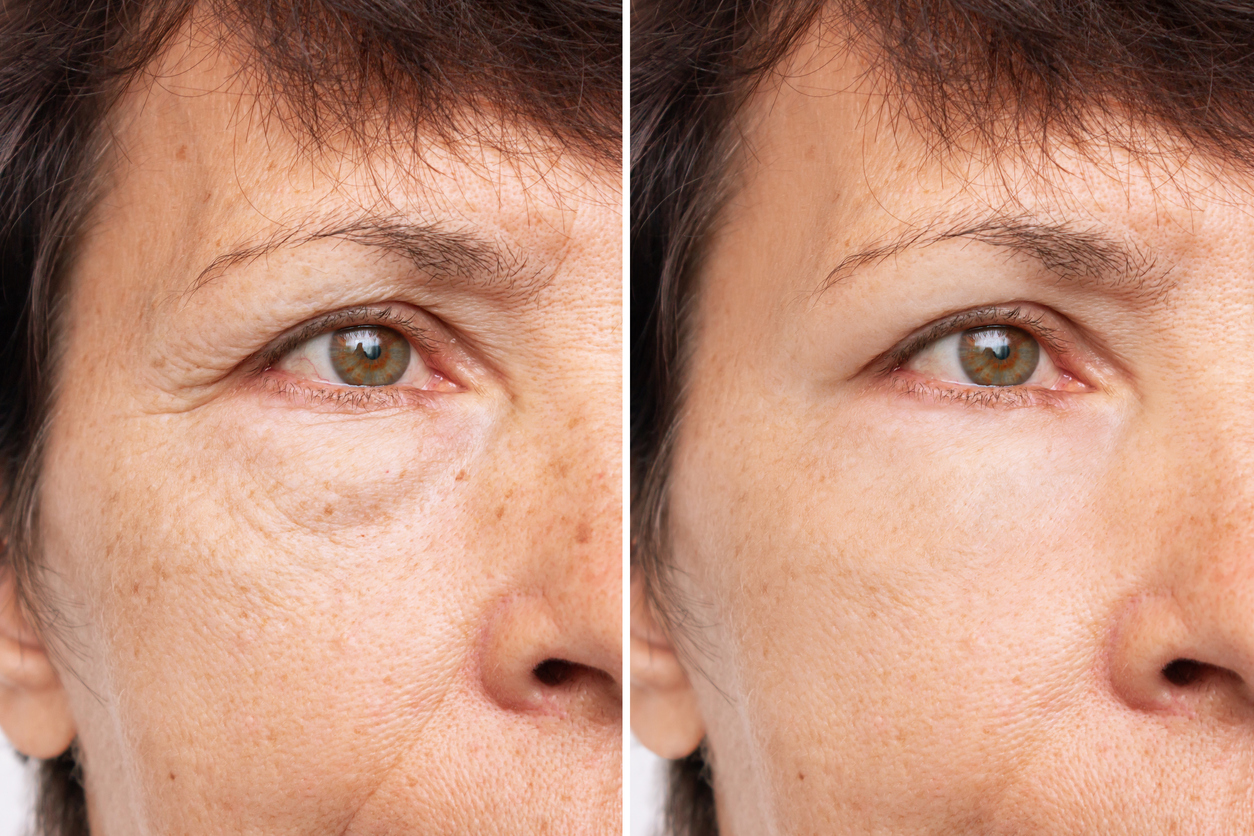
Under Eye Filler: What It Is, How It Works, and Whether It's Right for You
If you look tired even after a full night’s sleep, the shadows under your eyes may be the reason. Many people in this spot start researching under eye filler, a popular way to soften hollows and dark circles. Before you schedule your consultation, it’s important to understand what under eye filler is and how it works. This, along with your provider’s recommendations, can be used to determine whether it’s what you need to bring back the refreshed look you’re after.
At SHINE, we believe good results start with an honest look at every aesthetic treatment option, so let’s start with the basics.
Key Takeaways
- Under eye filler is a hyaluronic acid gel injected into the hollow below the eye to add volume and reduce shadowing.
- It improves hollows and shadow-based dark circles, but it does not lighten true pigment or remove fat “bags.”
- Results usually last 8 to 18 months, and the filler can be dissolved if you dislike the outcome.
- Injector skill and knowledge of facial anatomy matter more than the lowest price, because this area carries real risk.
- A consultation and skin analysis help confirm the true cause of your under eye circles before you treat.
What Is Under Eye Filler?
Under eye filler is a hyaluronic acid gel a licensed injector places in the tear trough, the hollow between your lower eyelid and cheek. It adds volume under the skin. The added volume lifts the area and softens the shadow that makes you look tired. Hyaluronic acid is a sugar molecule your body already makes to hold water in the skin, so the gel blends in naturally.
The treatment is minimally invasive and done in the office in about 15-30 minutes. It belongs to the family of dermal filler injectables that restore lost volume across the face. At SHINE, our injectors approach the under eye with a natural-results mindset, aiming to refresh your look rather than change your face.
You might also see this treatment called eye fillers or fillers around eyes. Some people search for “dermal fillers undereye” when they mean this same tear trough treatment.
What Under Eye Filler Can (and Can’t) Fix
Under eye filler works best for hollowing and the shadows that hollowing creates. It does not lighten true pigment, and it will not remove herniated fat, the puffy “bags” some people struggle with.
Dark circles have more than one cause. When the circle is really a shadow cast by a hollow, filler can help by filling the dip so light bounces back. When the darkness comes from extra melanin, the pigment in skin, filler will not lighten it.
Puffiness is a separate problem. Under eye “bags” are often fat that has pushed forward, and adding filler around them can make them look worse. An in-person consultation is the only reliable way to tell these causes apart.
People often look up dermal fillers for sunken eyes when they notice hollowing, which filler can genuinely improve. Others try dark circles dermal fillers or dermal fillers for under eye circles hoping to erase shadows.
Remember that filler only softens shadow-based darkness and leaves pigment unchanged. Searches for dermal fillers for under eye bags or dermal fillers for eye bags are common too. If you look up under eye puffiness fillers, know that filler does not remove true fat bags.
Lifestyle also shapes how your under eyes look. Poor sleep, allergies, salty meals, and dehydration can add fluid and shadowing that filler will not fix. Sorting out these habits first helps you judge what under eye rejuvenation and filler can realistically change.
Are You a Good Candidate?
Good candidates have volume loss or hollowing with healthy, fairly thick skin. Filler is a weaker choice if you have heavy puffiness, festoons (sagging pouches of skin), very thin skin, or circles driven mainly by pigment.
“The under eye reads differently on every patient, so I confirm the true cause before I pick up a syringe. Treating conservatively, with less product than most people expect, is how you get a rested look that still looks like you.” – Lauren Wages Edeker, PA-C, Chief Clinical Officer for Aesthetics, SHINE
Which Fillers Are Used Under the Eyes
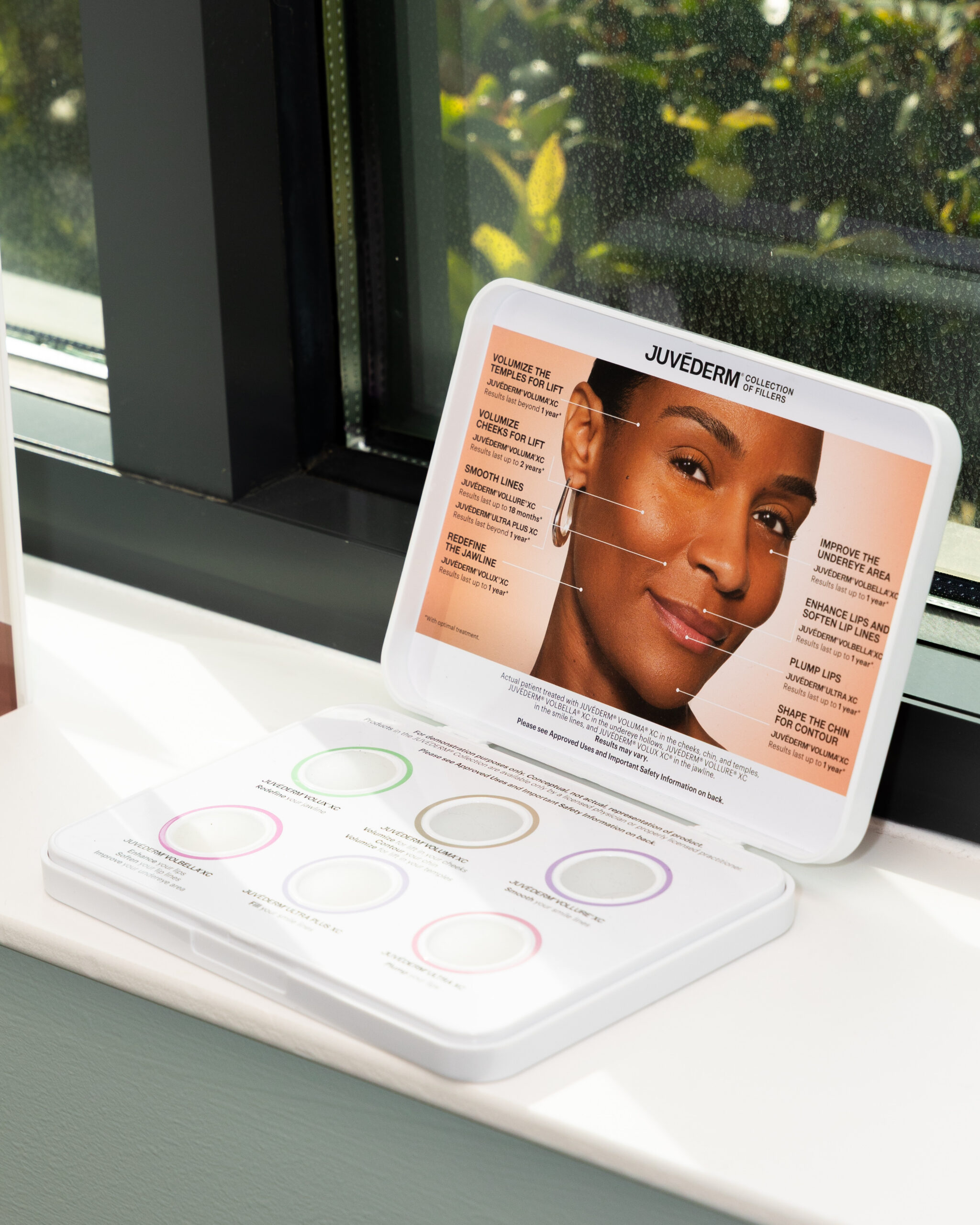
The under eye area is thin and delicate, so injectors choose soft, thin hyaluronic acid fillers instead of the firmer gels used in dermal fillers for cheeks or lips. Common choices include Restylane and Juvéderm Volbella, which spread smoothly and look soft.
One product now carries specific approval for this area. The FDA expanded approval of an FDA-approved under eye filler for use in the area under the eyes, the infraorbital hollow, in adults over 21. This hyaluronic acid filler can give results that may last up to 12 months.
Because these fillers are made from hyaluronic acid, they can be dissolved if needed, which adds a layer of security for patients who are unsure if they’ll love the look of under eye fillers on themselves.
What to Expect: The Procedure and Recovery
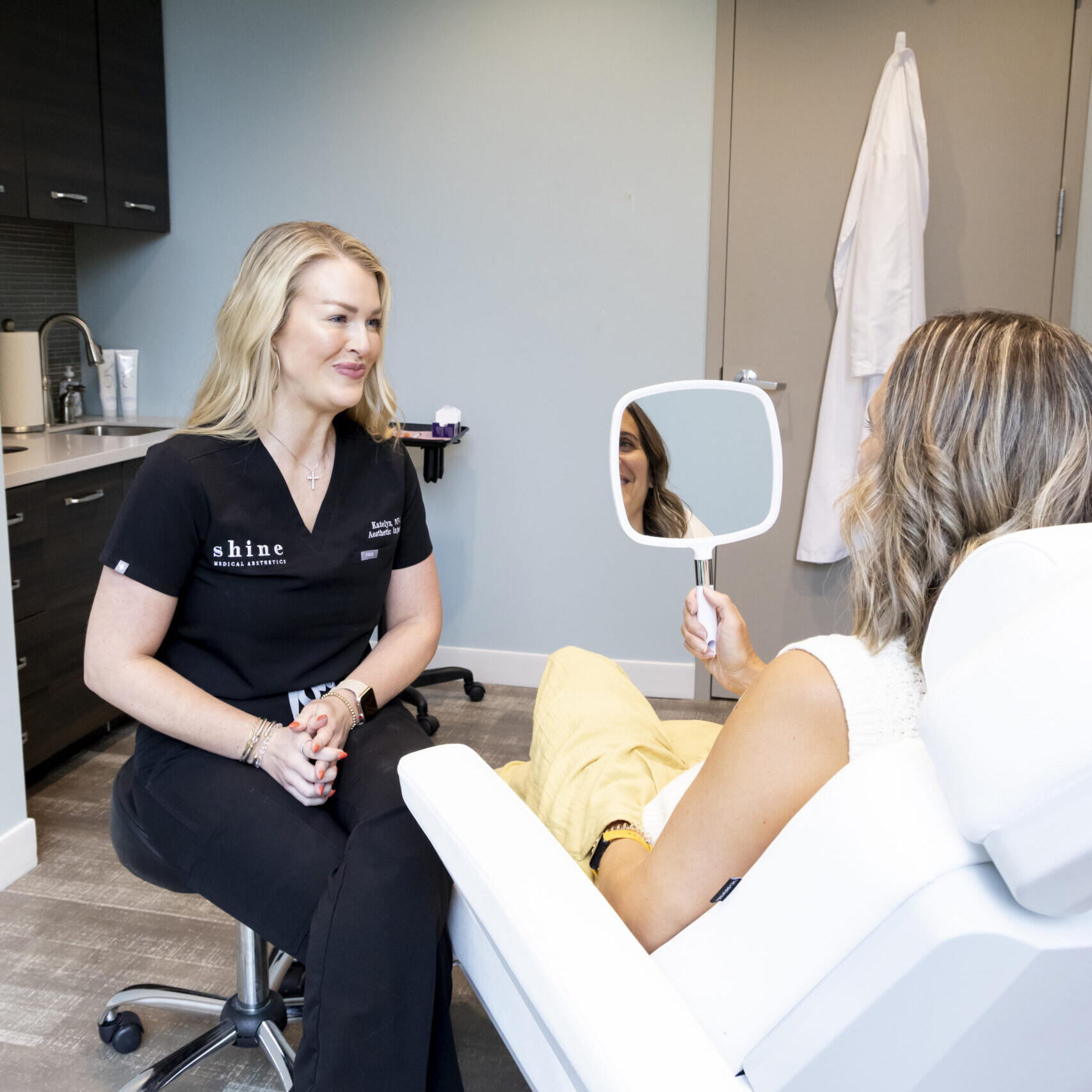
Your appointment starts with a consultation to confirm you are a candidate and to plan the treatment. SHINE performs cosmetic injectables in Alpharetta with licensed medical injectors and offers comfort options like Pro-Nox for nervous patients.
After numbing cream, your injector places the filler with a fine needle or a blunt-tip cannula. The process usually takes just a few moments, and you will see added volume right away.
Mild swelling or bruising can follow and usually fades within a few days. Your final result settles over about the first one or two weeks as the filler softens into place.
A few simple steps ease recovery. Keep your head elevated the first night and use a cold compress if you experience swelling. Your injector will share aftercare notes tailored to you before you leave.
How Long Does Under Eye Filler Last?
Under the eyes, filler often lasts longer than in more active parts of the face because the region moves less. Most patients see results for about 12 to 18 months, depending on the product, your metabolism, how much is used, and injection technique. A 2025 tear trough study found that tear trough filler typically lasts 8 to 12 months, averaging about 10.8 months. Meaningful results can be visible for up to 18 months.
Some formulas last even longer. According to filler longevity research, hyaluronic acid fillers are long-lasting, with semi-cross-linked HA fillers reputed to last 1 to 2 years.
Planning light touch-ups keeps results looking steady. Your injector can tell you when a refresh makes sense based on how your filler wears.
How Much Does Under Eye Filler Cost?
Under eye filler is usually priced per syringe, and most patients need one syringe or less to treat both eyes. Costs vary by provider, product, region, and how much you need.
Prices vary for good reasons. A more experienced injector and a premium product both push the number up, as does a higher-cost metro area. Treating a sensitive spot near the eye requires experience, so cheaper is not always better.
Let injector skill guide your choice rather than the lowest price. SHINE also offers financing through PatientFi, with a one-minute application that does not affect your credit score.
Is Under Eye Filler Safe? Risks and Side Effects
In skilled hands, under eye filler has a strong safety record, though no injectable is risk-free. Most side effects are mild and short-lived, such as bruising or temporary swelling at the injection sites.
A few risks are specific to this area. Placing filler too shallow can create a bluish tint called the Tyndall effect, where light scatters off the gel under thin skin. Filler can also shift or form small lumps if too much is used.
The most serious risk is rare but real. A 2024 review in the Aesthetic Surgery Journal on filler-related vision loss identified 511 published cases worldwide over more than a century. It describes blindness from filler as a rare complication. Most reported cases involve higher-risk areas like the nose and forehead rather than the under eye. The under eye is comparatively lower-risk but still calls for a skilled, licensed injector.
This is why anatomy expertise matters so much. Choosing a licensed medical injector who knows the vessels around the eye lowers your risk.
“Under the eyes, a deep knowledge of the vessels and a light hand with product protect you more than anything else. I would rather place a small amount and invite you back for a touch-up than overfill such a delicate area.” – Lauren Wages Edeker, PA-C, Chief Clinical Officer for Aesthetics, SHINE
Can Under Eye Filler Be Dissolved or Fixed?
One reassuring fact about hyaluronic acid filler is that it can be reversed. If filler migrates or forms lumps that bother you, your injector can inject hyaluronidase. This enzyme dissolves the gel within a day or two. This is a big reason many first-timers start with HA filler. You aren’t locked into a result you don’t love!
What Results Look Like
Done well, under eye filler looks natural, like you’re simply rested and refreshed. The goal is a smoother, brighter under eye that still looks like you.
Most patients are happy with the outcome. A 2024 systematic review and meta-analysis pooled data from 2,556 patients. This tear trough satisfaction study found an overall satisfaction rate of 91.0% for tear trough filler.
Results build over one to two weeks as swelling fades. Photos taken before your appointment and after the settling period give the truest picture of your change.
Keep your expectations grounded. Filler softens hollows and their shadows, but it won’t erase every sign of aging around the eyes. Pairing filler with good skincare and sun protection helps the result last and look its best.
Under Eye Filler vs. Other Options
Filler is one of several ways to refresh the eye area, and the right choice depends on your concern.
Option |
What It Is |
Best For |
| Under eye filler | HA gel injected into the tear trough | Hollows and shadow-based dark circles |
| PRP | Injections of your own platelet-rich fibrin | Skin quality and mild discoloration |
| Botox | A neurotoxin that relaxes muscles | Crow’s feet lines beside the eyes |
| Blepharoplasty | Eyelid surgery that removes or repositions fat and skin | True under eye bags and loose skin |
If your main issue is skin texture or mild darkness rather than a hollow, PRP under eye rejuvenation uses your own blood platelets to boost collagen. For the fine “crow’s feet” lines beside your eyes, Botox® for the eye area relaxes the muscle that creates them.
When loose skin or bulging fat is the real problem, it might not even be a question of Botox vs. fillers. If this is your main concern, a plastic surgeon may suggest blepharoplasty, a surgery that removes or repositions eyelid fat and skin. Filler can’t replace surgery in those cases, which is why an honest assessment matters.
Frequently Asked Questions
Most patients feel only mild pinching, because numbing cream and, in many cases, a blunt cannula reduce discomfort. Any soreness usually fades within a day.
Most people go back to daily activities right away, though it helps to skip heavy exercise for 24 hours. Visible bruising, if any, usually clears within a few days.
It can help when the darkness is a shadow from a hollow, because filling the dip reduces the shadow. It will not lighten circles caused by extra pigment in the skin.
Most patients need one syringe or less for both eyes, though your exact amount depends on your anatomy and goals. Your injector will confirm this at your consultation.
Under the eyes, results usually last about 8 to 18 months, because the area moves less than other parts of the face. Your product, metabolism, and injection technique all affect the timeline.
Filler is a weaker choice for people with heavy puffiness, festoons, very thin skin, or dark circles driven mainly by pigment. An in-person exam confirms whether you are a good candidate.
Ready to See if Under Eye Filler Is Right for You?
Under eye filler can be a simple way to look more rested, but the best outcome starts with knowing your concern’s true cause. That is where a consultation with a licensed injector makes the difference.
At SHINE in Alpharetta, we use skin analysis and a natural-results approach to build a plan around your goals, not a trend. If you are curious whether under eye filler fits your face, schedule a consultation with our team.
Schedule a Free Consultation and take the next step toward a refreshed, natural look.
Dermal Fillers for Cheekbones: What to Know About Cheek Fillers
Many people notice the midface loses fullness with age, and the skin slowly drifts downward. Cheek fillers are one of the most common ways to add that volume back without surgery.
This guide to dermal fillers for cheekbones explains what they are, the main filler types, and how long cheek fillers last. You will also learn what the process feels like, what it costs, how safe it is, and who makes a good candidate.
Key Takeaways
- Cheek fillers add volume and gentle lift to the midface without surgery or extended downtime.
- The two main filler families are hyaluronic acid (Juvéderm Voluma, Restylane) and collagen-stimulating fillers (Radiesse, Sculptra).
- Results typically last for 6-12 months, up to roughly 2 years, depending on the material and your facial composition.
- Hyaluronic acid fillers can be dissolved with an enzyme, which often reassures people who are new to fillers and unsure they’ll love the results long-term.
- The best outcome comes from matching the filler and technique to your face, guided by a skin assessment and a licensed injector.
What Are Dermal Fillers for the Cheeks?
Dermal HA fillers can be placed on and around the cheekbones to add volume and gently lift the space between eyes and jaw. Fillers are non-surgical, and they rank among the most common aesthetic treatments. You may see them called cheek dermal fillers or dermal fillers cheekbones. Both terms describe the same cosmetic injection treatment. The American Academy of Dermatology notes that most filler treatments take between 15 and 30 minutes and require only one office visit.
Instead of using a single go-to product at SHINE, our dermal filler treatments are chosen specifically for your beautiful face. That customized approach helps keep your results looking natural and not overdone.
Why Cheeks Lose Volume: Hollow, Sunken, and Sagging Cheeks
As you age, your face loses collagen and fat, along with some of the bone that supports the cheeks. The cushion under your skin gets thinner, so the cheeks flatten and the skin begins to drift downward.
Hollow or sunken cheeks come from that loss of deep volume, which can leave shadows below the cheekbones. Dermal fillers for hollow cheeks and dermal fillers for sunken cheeks work by replacing that deep cushion so light hits your face more evenly.
Sagging cheeks come more from loose skin that settles lower on the face. Dermal fillers for sagging cheeks add support up high on the cheekbone, which can gently lift the tissue below. Because the midface holds up the tissue below it, replacing lost volume up high can also soften folds around the mouth.
Types of Dermal Fillers for Cheekbones
Most cheek fillers fall into two groups: hyaluronic acid gels and collagen-stimulating fillers. The right one for you depends on how much volume you need and how you want your results to build.
There is no single best filler for cheeks that fits everyone. The best filler for cheeks depends on your facial anatomy and whether you want a result you can adjust later.
Filler Type |
Example Brands |
Typical Longevity |
Reversible? |
| Hyaluronic acid (HA) | Juvéderm Voluma, Restylane Lyft/Contour | ~6-12 months | Yes |
| Calcium hydroxylapatite (CaHA) | Radiesse | Up to ~1 year (contouring) | No |
| Poly-L-lactic acid (PLLA) | Sculptra | Up to 2 years | No |
Hyaluronic Acid Fillers (Juvéderm Voluma, Restylane)
Hyaluronic acid (HA) fillers such as Juvéderm Voluma and Restylane are the most common choice for cheeks. They add volume right away, and they suit first-timers well because the effect can be adjusted or undone.
That safety net matters. Research indexed by the National Library of Medicine describes how hyaluronic acid fillers can be dissolved with an enzyme called hyaluronidase when a correction is needed.
Collagen-Stimulating Fillers (Radiesse, Sculptra)
Collagen-stimulating fillers work differently. Calcium hydroxylapatite (Radiesse) is thicker and adds firm lift while it prompts your body to make its own collagen. Mayo Clinic notes it can restore volume in the cheeks. Those results last up to a year when used for contouring and three years when used to fill wrinkles.
Poly-L-lactic acid (Sculptra) builds volume slowly across a few sessions as new collagen forms. These fillers are not reversible, so precise placement matters. If you prefer a natural option that uses material from your own body, you might consider exploring PRF EZ Gel for added volume.
How Long Do Cheek Fillers Last?
A common question is how long dermal fillers last in cheeks. The answer depends on the filler material and how fast your body breaks it down. Where the filler sits matters too, and because cheeks move less than lips, filler here often lasts longer.
As a rough guide, HA fillers hold for about 6-12 months, while collagen-stimulating options can last up to around 2 years. Regular touch-ups keep your results steady, and SHINE plans those follow-ups with you so the change lasts.
What to Expect: The Cheek Filler Process
Every SHINE filler visit starts with assessment and planning before any treatment begins. You start with a consultation and skin analysis so your injector understands your goals and complexion completely before any needle comes out.
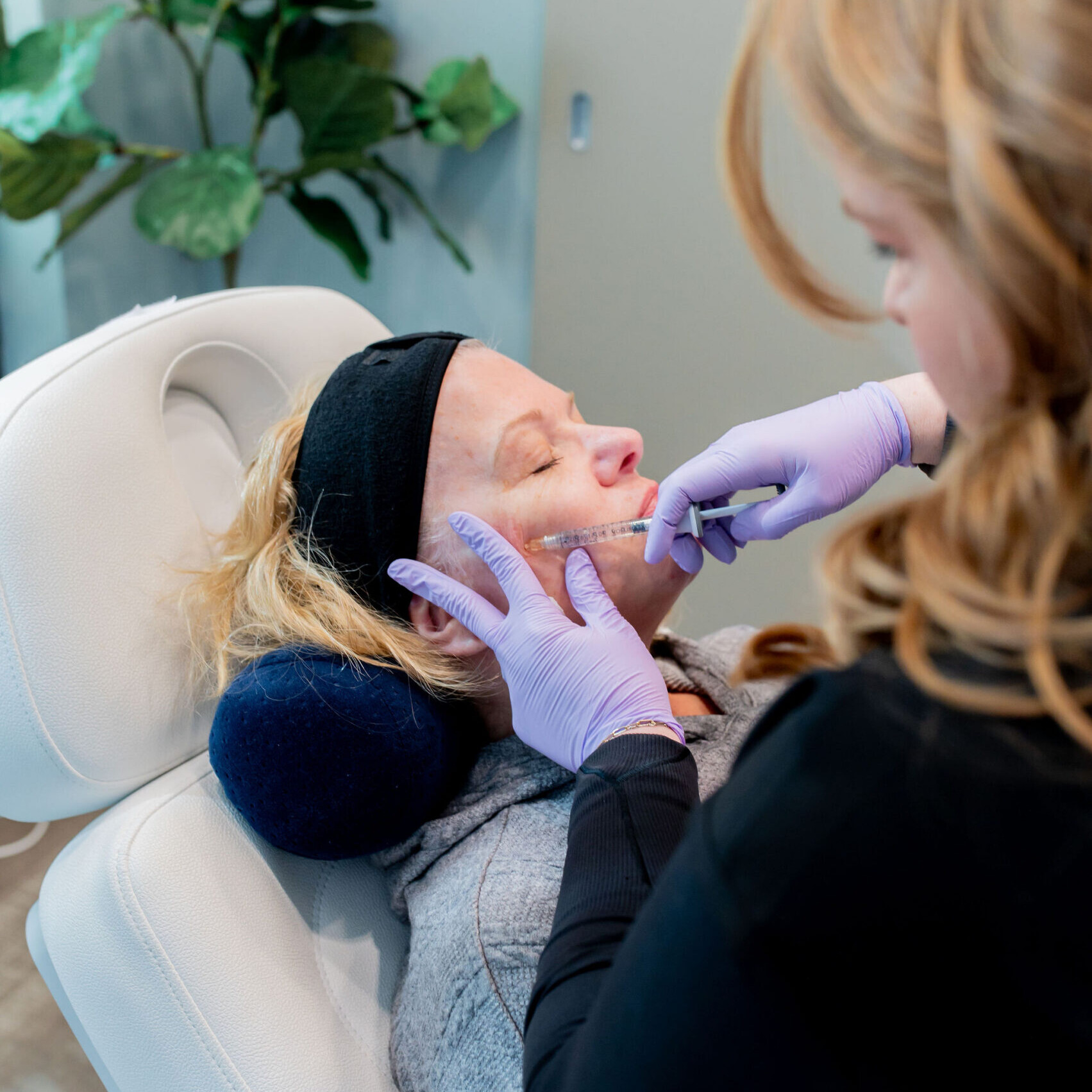
The injection appointment usually takes 15-60 minutes. This includes time to talk through your goals, inspiration, and anything else you want to discuss. Your provider cleans the area and may apply numbing cream. Then they place the filler along the cheekbone with a fine needle or cannula, so most people feel mild pressure more than sharp pain.
“When we treat cheeks, we add small amounts at a time and step back to check your face from several angles. Building the volume gradually is how we keep the result looking like you,” says Lauren Wages Edeker, PA-C. She is SHINE’s Chief Clinical Officer for Aesthetics.
Afterward, you can expect mild swelling or a little bruising for a few days. Results show right away and keep refining over 2-4 weeks as any swelling settles.
Cost, Safety, and Side Effects of Cheek Fillers
Cost depends on the filler type and how many syringes your plan needs, so prices vary from person to person. The most honest number comes from a consultation, where your injector can quote your specific plan.
Common side effects are usually mild, such as swelling or bruising near the injection sites, along with some tenderness for a day or two. Serious problems are uncommon, and choosing an experienced, licensed injector who uses FDA-approved products lowers your risk.
The reversibility of HA fillers adds another layer of safety. Fillers and neurotoxins do different jobs, so it helps to understand how Botox compares to fillers before you decide.
Is Cheek Filler Right for You?
Dermal fillers for cheekbones may suit you if you have noticed cheek volume loss and want a subtle boost. The best candidates hold realistic expectations, and cheek filler works best as part of your overall facial balance rather than a single dramatic change.
Some people should wait or talk with a provider first, including anyone who is pregnant or has an active skin infection near the treatment area. A consultation sorts this out quickly.
“The happiest patients come in with clear goals and a realistic sense of what filler can do,” says Edeker. “We would rather set honest expectations at your first visit so you love how you look months down the road.”
SHINE approaches cheeks as part of facial balancing, which means treating your face as a whole so each feature supports the others. That is how filler ends up looking like you on a good day.
See Your Cheek Contour Come to Life at SHINE
Your cheeks deserve a plan built around your face, not a one-size product. At SHINE in Alpharetta, GA, dermal fillers for cheekbones start with a VISIA™ skin analysis. That measurement lets your injector design a natural-looking result you can see coming.
When you are ready to restore volume and lift with care from licensed medical experts, schedule a free cheek filler consultation.
Cheek Filler FAQs
The main downsides are temporary side effects like swelling or bruising, plus the cost of repeat touch-ups since results fade over time. Rare complications are possible, which is why injector skill matters.
Cheek fillers can create a subtle lift by restoring volume in the midface, which supports the tissue below and softens folds near the mouth. They do not replace a surgical facelift for significant sagging.
Most people repeat cheek fillers every 6 to 12 months for HA products, or up to about every 2 years for collagen-stimulating fillers. Your injector will set a schedule based on your personalized plan, how your body reacts to initial injections, and the results you hope to achieve.
Cheek filler cost varies by the product used and the number of syringes your plan requires, so a personalized quote comes from your consultation. SHINE reviews pricing and financing options with you before treatment. SHINE members earn additional discounts, lowering the cost of cheek fillers.
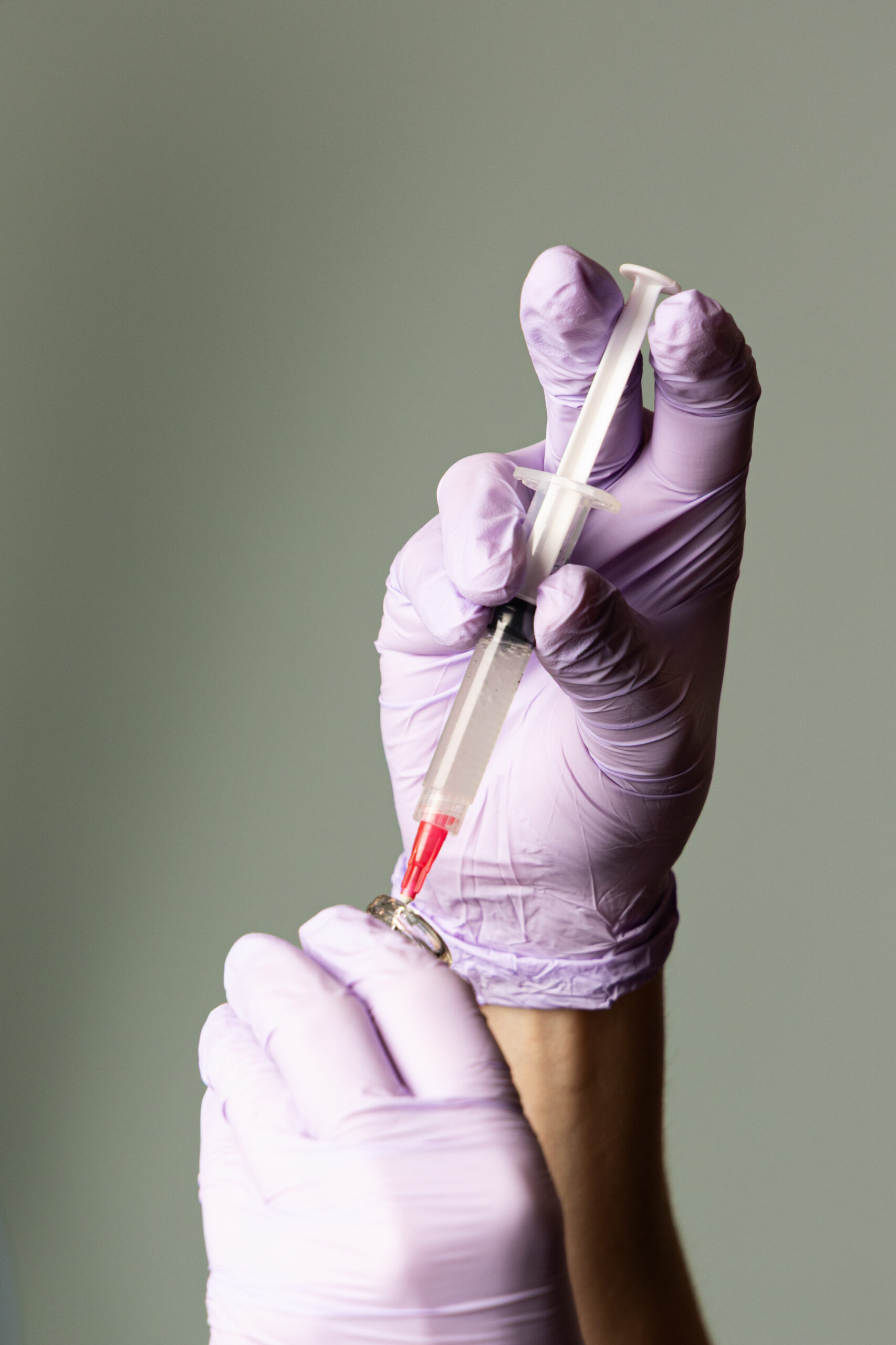
Are Peptide Injections Safe? A Guide for Patients
Peptides have moved from research labs into wellness clinics and longevity and vitality programs. With that growth comes a reasonable question: are these injections actually safe, or are patients taking on more risk than they realize?
The answer depends on what’s being injected, where it comes from, and who’s supervising your care. This guide covers the safety profile of injectable peptide-based programs, common and serious side effects, pregnancy considerations, and how to evaluate whether a provider is worth your time, trust, and money.
Key Takeaways
- Peptide injections are generally safe when a licensed provider prescribes and monitors them.
- How safe peptide injections are depends mostly on where they come from and who is watching your health throughout the program.
- Peptides bought online without a prescription can be risky because no one checks their quality.
- Most side effects from peptide injections are mild, like nausea or redness where the shot was given.
- Injectable peptides are not considered safe during pregnancy or breastfeeding.
- The first step to starting on peptides for health optimization, weight loss support, or overall wellness and longevity is a personalized consultation with a trusted provider.
What Are Injectable Peptide-Based Programs and How Do They Work?
Injectable peptide therapy programs are generally considered safe when they come from accredited sources and are prescribed by a licensed provider with ongoing medical oversight. However, some peptides sold online or through unregulated wellness sources are “grey market” compounds that carry real risks, including contamination and inconsistent dosing.
So what exactly are peptides? They’re short chains of amino acids, the same building blocks that make up proteins in your body. Your body already produces peptides naturally to signal specific processes like tissue repair, hormone release, and immune function.
When delivered by injection, peptides bypass the digestive system and enter the bloodstream directly. Like IV hydration therapy, intravenous delivery allows for more predictable absorption, often delivering more reliable benefits. Common program categories include tissue-recovery support, growth-hormone-releasing support, and GLP-based programs for weight loss, appetite regulation, and metabolic support.
Are Injectable Peptide-Based Programs Safe?
The short answer: It depends on the program, the source, and whether you have medical supervision.

“Safety really comes down to three things,” says Anna Carlisle, MSN, APRN, FNP-C, Clinical Director of Wellness at SHINE. “These are: where the peptide comes from, how it’s dosed, and whether someone is watching your response over time. That’s the whole reason we built our program around ongoing supervision instead of a one-time prescription.”
Medically supervised peptide-based programs sourced from high-quality pharmacies are generally associated with a favorable safety profile for most adults. When choosing a peptide provider near you, it’s important to ask questions about product sourcing, manufacturing, and clinical oversight to ensure you’re receiving high-quality, trusted treatments.
“Patients are sometimes surprised to learn how much variation exists between suppliers,” says Carlisle. “We’re highly selective about where our peptides come from, and we vet every source before we work with them. Quality is simply not a detail we’re willing to compromise on.”
The possible risks associated with peptide injections increase when peptides come from unregulated sources or when patients self-administer without provider guidance. Here’s what determines safety:
- Source quality: FDA-approved, PCAB-accredited pharmacies follow strict purity and potency standards. Grey market suppliers do not.
- Medical supervision: A provider can screen for contraindications, monitor your response, and adjust dosing.
- Individual health status: Pre-existing conditions like diabetes, autoimmune disorders, or cancer history affect candidacy.
What Injectable Peptide-Based Programs Are Used For:
Peptide-based programs have expanded beyond clinical medicine into wellness and aesthetics. Here are the most common things peptides are used for:
Metabolic Wellness Support
GLPs are a specific type of peptide, which is why these popular programs are among the most widely known use cases for injectable peptides. GLP-based programs help regulate appetite and blood sugar. For some patients who are struggling to lose weight, providers may integrate peptides into medical weight loss and metabolic wellness plans.
Longevity and Vitality Support
Certain peptide-based programs are associated with collagen production and may support skin elasticity, firmness, and hydration as part of a longevity and vitality plan.
Muscle Recovery Support
Growth-hormone-releasing peptide-based programs appeal to active adults looking to support workout recovery and lean muscle maintenance.
Energy and Cellular Support
Some peptide-based programs target cellular and mitochondrial function, with the goal of supporting overall vitality. When prescribed as part of an overall, medically supervised wellness plan, peptides are sometimes paired with hormone replacement therapy (HRT).
Common Side Effects of Peptide Programs
Most side effects from peptide programs are mild and temporary, especially when treatment is properly supervised. Staying hydrated, giving your body time to adjust, and keeping your provider up to date on any side effects you experience is key. If side effects become bothersome, your provider may recommend adjusting your dose.
Side Effects |
Typical Duration |
When to Contact Your Provider |
| Injection site redness | Hours to one day | If spreading or worsening |
| Mild nausea | First few weeks | If persistent or severe |
| Headaches | First few days | If severe or ongoing |
| Water retention | Variable | If sudden swelling occurs |
Rare but Serious Risks of Injectable Peptide-Based Programs
While uncommon with properly sourced programs, serious risks do exist. Regulatory reviews have flagged side effects including increased heart rate, chest tightening, and severe immune reactions associated with certain peptide categories. The risks increase dramatically when peptides come from unregulated sources.
- Severe allergic reactions: Rare, but more likely with products containing impurities or unknown additives.
- Infection at injection site: Risk increases with improper technique or unsterile products.
- Unknown long-term effects: Many newer peptide categories are still undergoing testing to evaluate the long-term effects.
Are Injectable Peptide-Based Programs Safe During Pregnancy and Breastfeeding?
No. Injectable peptide-based programs are not recommended during pregnancy or breastfeeding.
Most peptide-based programs lack pregnancy safety data. Peptides can affect hormones, immune function, and cellular signaling. The potential impact on fetal development is unknown. If you’re planning to become pregnant, talk to your provider about discontinuing any peptide-based program beforehand. Topical cosmetic peptide skincare is generally considered a different category, but peptide injections should always be discussed with your provider first.
Who Should Avoid Injectable Peptide-Based Programs
Peptide-based programs aren’t right for everyone. Individuals who typically need to avoid these programs or require extra screening include:
- Pregnant or breastfeeding individuals
- Those with active cancer or a history of certain cancers
- People with uncontrolled diabetes or blood sugar disorders
- Those with severe kidney or liver disease
- Anyone with a known allergy to specific peptide compounds
- Individuals taking certain medications (your provider will review for interactions)
Can You Safely Administer Peptide-Based Programs at Home?
Some providers prescribe peptide-based programs for home administration. Peptide injections at home can be safe if you prepare properly and work with a credentialed provider.
Safe home injection requires proper training on technique, sterile supplies, correct reconstitution, and proper storage. Most peptides require refrigeration. You’ll also want regular check-ins with your prescribing provider to monitor your response and adjust dosing as needed.
Keep in mind that self-administering peptides purchased online without a prescription is a different situation entirely. This guidance applies to prescribed peptides only.
How to Choose a Provider for a Peptide-Based Program
One of the major factors that determines how safe peptide injections are is your provider. Finding one that carries the proper licensing, sources high-quality, sterile products, and provides a comprehensive evaluation alongside continued care and oversight is essential. When choosing a provider:
1. Verify Medical Licensing and Physician Oversight
Confirm that a licensed medical professional is prescribing your program and reviewing your health history. Ask if a physician oversees the program. If you’re shopping around for peptides in your area but have yet to make an appointment, reputable clinics like SHINE have information about their staff’s credentials online.
2. Confirm Pharmacy Sourcing and Compounding Standards
Ask where the peptides come from. PCAB-accredited or FDA-approved compounding pharmacies follow strict quality standards. Avoid providers who can’t name their source.
3. Ask About Screening and Ongoing Monitoring
Any high-quality provider will require health screening before prescribing peptide injections. They will also schedule follow-up appointments to assess your response and make adjustments as needed.
4. Look for Personalized Plans
Peptide injections are more than a product. They’re a comprehensive metabolic therapy, which means that you get a real, personalized prescription, not just a product recommendation. Avoid one-size-fits-all protocols. Your provider will ideally customize your plan based on your goals, health history, and how your body responds.
Starting a Physician-Supervised Program at SHINE
At SHINE, we prioritize safety, efficacy, and compliance regarding all our peptide and cosmetic injectables.
Our peptide-based programs begin with a one-on-one consultation covering your health history, lifestyle, goals, and concerns. From there, your provider builds a customized plan designed to support you.
Our peptides come from trusted U.S.-based partners focused on quality and cleanliness. We offer ongoing monitoring and follow-up appointments to track your progress and adjust your plan as needed.
Our core programs include Glow (a longevity and vitality program supporting skin moisture and overall vitality), Longevity (supporting energy, recovery, and fitness), and our metabolic wellness program (which pairs peptide-based support with personalized guidance and broader wellness strategies).
Reach out to our team today to find the peptide program that’s right for you.
FAQs About Injectable Peptide Safety
Generally, yes, peptides are considered safe when prescribed by a licensed provider and sourced from an accredited pharmacy. Risk increases with unregulated products or when self-administering peptides without medical oversight. Experts at SHINE say safety comes down to where the peptides are from, who is prescribing them and overseeing your treatment, and your individual health history.
No. Injectable peptide-based wellness programs aren’t recommended during pregnancy or breastfeeding due to limited safety data. If you are pregnant, breastfeeding, or planning to become pregnant, talk to your provider before starting or continuing any program.
No. Peptides are amino acid chains that signal natural processes in your body. Anabolic steroids are synthetic hormones with different mechanisms and a different risk profile.
Results vary by program type and individual response. Most patients notice initial changes within a few weeks, with fuller effects developing over two to three months.
Some peptide-based programs may interact with diabetes medications, blood thinners, or hormone therapies. Always disclose all medications to your prescribing provider before starting a program.
Peptide-based programs are legal when prescribed by a licensed provider and sourced from a legitimate compounding pharmacy.
These services are for wellness optimization and educational purposes only. Products are not approved by the FDA to diagnose, treat, cure, or prevent any disease.

Peptide-Based Weight Management Programs: What to Know Before You Start
Peptides have become one of the most talked-about options in wellness, but there’s a lot more to them than most people realize. That’s why, if you’re asking, “What are the best peptides for weight loss?” it’s important to first understand how they work in supervised programs, what makes a provider trustworthy, and if this wellness option is actually right for you.
At SHINE, we always strive to provide patients with the highest quality products, services, and treatments. That care extends to our educational resources, too. This guide breaks down the peptide categories used in supervised metabolic wellness programs, how different programs may fit into a broader body composition plan, and what to know about injectable options for both women and men.
Key Takeaways About Peptides and Weight Loss
- Peptides are the broader category, and GLP-based therapies fall inside it. GLP is a naturally occurring peptide, so “peptide program” and “GLP program” overlap, but not every peptide is GLP-based. Some target visceral fat or overall wellness through different pathways.
- There’s no single “best” peptide for weight loss. The right program depends on your metabolism, goals, and health history. This is why every program at SHINE starts with a provider consultation. We never take a “one-size-fits-all approach with peptide therapy or any of the services we offer.
- FDA-approved and compounded programs are both legitimate, but they’re not the same thing. FDA-approved options go through federal review. Compounded formulations are custom-made by a pharmacy and have different standards for quality and sterility. Ask your provider about the accreditation and sourcing standards for your specific program.
- The best peptides for weight loss for females are usually different than those for men. Hormones and goals play an important role in finding the right peptide program for each individual.
- All of these programs require a prescription and provider supervision. Anything sold online without one risks bypassing quality and safety oversight.
How Peptide-Based Programs Support Metabolic Wellness
Before we get into the finer details of things, it’s important to cover some basics, like what a peptide actually is.
Peptides are short chains of amino acids that act as chemical messengers in your body. Your body makes thousands of them naturally. Each one signals a different process. Some signal hunger and fullness. Others connect to fat storage and muscle repair.
Types of Peptides Used for Weightloss
GLP-Based Peptide Programs
Peptides can be used as part of broader metabolic wellness strategies, including GLP-1 options. GLPs are naturally occurring peptides, which is why this popular therapy is also considered a peptide program. In this application, peptides are used to mimic a hormone your gut releases after eating, signaling fullness to your brain and slowing digestion.
Non-GLP Peptide Programs
That said, not all peptide therapy programs leverage GLP-1s, which are a specific compound. Other peptides are shown to help optimize overall wellness and support both metabolic and aesthetic goals. As we talk about the best peptide stacks for weight loss out there, it’s important to keep this in mind since the terminology can be confusing.
No matter what, the most important thing to remember is that peptides – those powerful short-chain amino acids you keep hearing about – are best used under supervision. Your provider is trained to know how to find the right option, dose, and balance for your unique metabolic needs.
Injectable Peptide-Based Programs
Injectable peptide-based programs are the most studied and widely used form in supervised metabolic wellness plans. The scientific backing of the therapy is why we feel confident providing this service at our clinic. Injectable peptides for weight loss deliver the active compound directly into your system, bypassing digestion entirely.
There isn’t a “best” injectable peptide for weight loss. Finding the best one for you involves working with a qualified provider you can trust to understand your metabolism, fully outline your goals, and build a strategy.
Other Peptide Options
Peptide-based metabolic wellness programs at SHINE go beyond weight management. Our personalized therapies are built around whatever wellness goals you’re working toward. For example, the Glow Program is designed for patients focused on skin health and overall vitality. Using peptides supports a refreshed appearance through healthy aging, skin moisture, and long-term self-care habits.
The Longevity Program takes an even broader approach to how peptides can support wellness. Our team prescribes this therapy to patients who are looking for ways to optimize their energy levels, improve recovery after exercise, build resilience, and create an active, balanced lifestyle.
But, of course, there is the targeted Weight Management Program, too. This therapy pairs peptide-based support with a personalized strategy. It complements a broader approach to metabolic wellness rather than standing alone as a quick fix.
Each wellness and medical weight loss program is built around the same principle: Peptides work as part of a supervised, personalized plan. Just as with our cosmetic injectables, peptides are not treated as a product to be chosen off a list. Your provider can help you determine whether one program, or a combination, aligns with what you’re hoping to achieve.
Understanding Prescription and Compounded Program Options
No metabolic wellness programs of this kind featuring peptides are legally available without a prescription. This includes both FDA-approved options and compounded formulations.
Compounding pharmacies create custom formulations, often at lower cost. However, quality varies widely. PCAB accreditation (Pharmacy Compounding Accreditation Board) indicates a pharmacy meets specific standards for sterility, potency, and quality control.
Here’s how the landscape breaks down:
- FDA-approved programs: Require a prescription and licensed medical oversight
- Compounded programs: Custom-made by pharmacies, still require a prescription, quality varies by pharmacy
- Unregulated sources: Sold online without a prescription, no quality assurance, potential legal and safety risks
Products sold online without a prescription bypass regulatory oversight entirely. There’s no guarantee of purity, sterility, or correct dosing.
Side Effects of Peptides for Weight Loss
Peptide and GLP-based programs share a common side effect profile. Nausea is the most frequent complaint, especially during the first few weeks or after dose increases. Constipation, diarrhea, and injection site reactions also occur.
These effects typically diminish as your body adjusts. Gradual dose titration, starting low and increasing slowly, helps minimize discomfort.
Less common but more serious risks exist and vary by program. Your provider will review your health history and discuss the specific safety profile and any manufacturer warnings that apply to your plan before you begin.
Common Effects (Often Temporary) |
When to Contact Your Provider |
| Nausea, especially when starting | Severe or persistent vomiting |
| Constipation or diarrhea | Severe abdominal pain |
| Injection site redness | Signs of allergic reaction |
| Fatigue during adjustment period | Rapid heart rate or chest pain |
Considerations for Women
Hormonal context matters when considering adding peptides for weight loss to your wellness routine. Women in perimenopause or menopause often find that declining estrogen makes fat loss harder through diet and exercise alone.
Peptide-based programs are designed to complement hormone replacement therapy without interference. However, pregnancy and breastfeeding are contraindications for these programs, so timing matters.
A few considerations specific to women:
- Hormonal shifts: Declining estrogen affects metabolism, fat distribution, and appetite regulation
- Side effect intensity: Women commonly report more pronounced nausea when starting GLP-based programs, though this typically improves with dose titration
- Provider monitoring: Adjusting dosing based on individual response helps minimize discomfort
Considerations for Men
Weight loss peptide programs for men are scientifically similar to those for women, but male patients typically have different goals. Muscle preservation is a common concern, and men tend to carry more visceral fat, which different peptide programs are both designed to address in different ways.
Why Partnering With the Best Peptide Program Provider Matters
Because peptide programs are only available by prescription and require ongoing medical oversight, the provider you choose matters as much as the program itself. At SHINE, every peptide journey starts with a one-on-one consultation covering your health history, lifestyle, and goals. From there, your provider recommends the program that fits your needs, whether that’s weight management, healthy aging, or overall wellness and performance.
Every plan includes ongoing monitoring so your provider can track your progress and adjust as needed. SHINE works with pharmacies and sourcing facilities that supply peptides for clinical use. Your provider can speak to the sourcing and quality standards behind your specific program.
Wellness is a long-term investment, and results vary by individual. A trustworthy provider won’t promise a specific outcome. Instead, they’ll build a personalized, medically supervised plan and stay with you through it. That partnership is what separates a real peptide program from an unregulated shortcut.
Find the Best Peptides for Weight Loss
Start a Provider-Guided Program at SHINE
At SHINE, our personalized peptide therapy begins with a consultation covering your health history, goals, and concerns. We use InBody body composition analysis to establish a baseline, so you can track changes in fat mass and lean mass over time.
Every plan includes ongoing monitoring and follow-up, and your provider can walk you through the sourcing behind the specific peptides used in your program. We view these programs as one part of a broader wellness approach that may include nutrition guidance, exercise support, hormone optimization, and complementary aesthetic treatments.
FAQs
No. Any peptide-based program used for metabolic wellness, whether FDA-approved or compounded, requires a prescription.
Oral peptide options exist for patients who prefer to avoid injections, but these are more limited. As with injectable peptides, the “best” option for you depends on your metabolism, goals, and health history. Working with a qualified provider is the easiest way to understand what your options are.
Some programs are designed to support fat metabolism while helping preserve muscle. Results depend heavily on the individual, their program, and consistency over time. A provider can help build a strategy that balances both goals.
Most patients can get XEOMIN or Botox injections every three to four months, as the products are metabolized. Exact timing depends on how quickly your body processes the product and how your results hold up over time. When you get your first treatment, your provider can help schedule follow-up appointments. Timing for each of these can be adapted based on how your body responds.
These services are for wellness optimization and educational purposes only. Products are not approved by the FDA to diagnose, treat, cure, or prevent any disease.
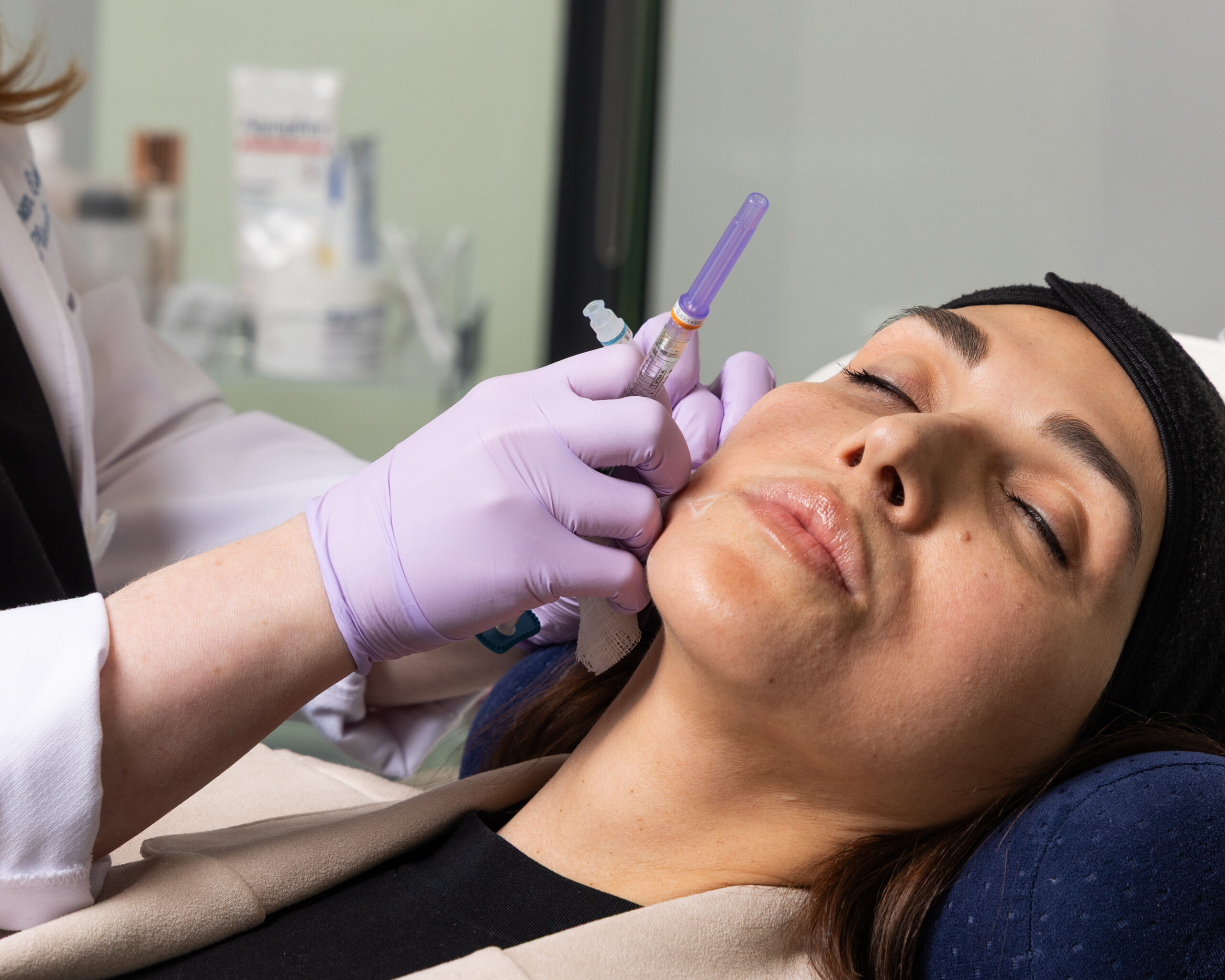
XEOMIN® vs. Botox® : What's the Difference?
XEOMIN® and Botox® are both FDA-approved neuromodulators that temporarily relax facial muscles to soften wrinkles caused by repeated movement. For most patients, the results look similar. The formulas behind them don’t.
XEOMIN is often called the “naked” injectable because its formula doesn’t include the accessory proteins found in Botox. That difference sounds technical, but it’s the one patients researching XEOMIN vs. Botox usually want explained. Here’s what actually separates the two, and when each makes sense for someone looking forward to either their first or a touch-up tox appointment.
Key Takeaways
- XEOMIN and Botox are both botulinum toxin type A neuromodulators used to treat dynamic wrinkles.
- XEOMIN’s formula excludes the accessory proteins present in Botox, a difference some providers believe may lower the odds of developing resistance over years of repeated treatment.
- Onset and duration are similar for both for most cosmetic patients.
- XEOMIN and Botox units are dosed differently and shouldn’t be compared on a one-to-one basis.
- Injector expertise and treatment planning affect your results more than which product you choose.
XEOMIN vs. Botox at a Glance
Feature |
Botox |
XEOMIN |
| Formula | Contains accessory proteins | “Naked” formula, no accessory proteins |
| Onsset | ~3-5 days | ~3-5 days |
| Peak results | ~10-14 days | ~10-14 days |
| Duration | ~3-4 months (varies) | ~3-4 months (varies) |
| Common uses | Frown lines, crow’s feet, forehead | Frown lines, crow’s feet, forehead |
| Pricing model | Priced per unit | Priced per unit, often comparable to Botox |
This table is a starting point, not a substitute for an in-person assessment. Muscle strength, treatment history, and your specific goals all factor into which product a provider recommends.
How XEOMIN and Botox Work
Both treatments are cosmetic injectables that target dynamic wrinkles, the lines caused by repeated facial expressions like frowning or squinting. They work by blocking the nerve signals that tell targeted muscles to contract.
Less contraction = smoother skin above the muscle.
That’s why both products are common choices for the forehead, the glabella (the area between your eyebrows), and the crow’s feet around the eyes.

Though XEOMIN and Botox are very similar in lots of ways – in onset/timing, duration, and use cases – the formula of each neurotoxin is what makes them unique. Botox contains complexing proteins alongside the active botulinum toxin. XEOMIN strips those proteins out, leaving only the toxin itself, which is the basis for its “naked injectable” reputation. Some believe this may reduce the likelihood that the body will develop antibodies against the toxin over years of repeated treatment.
This formulation difference is mostly relevant to patients who’ve been getting neuromodulator injections consistently for a long time. For a first-time patient, the practical difference in results is usually minimal.
They’re Not Fillers
XEOMIN and Botox aren’t dermal fillers. They don’t restore volume or combat the natural hollowing that comes with age. Instead, they soften movement-based lines. Since each product addresses a different mechanism behind facial aging and common beauty concerns, patients dealing with both dynamic wrinkles and lost volume often combine a neuromodulator with a filler as part of a broader treatment plan.
Want to learn more about neurotoxins and fillers?
Onset Time: How Fast Do You See Results?
Botox and XEOMIN have a similar onset window. Most patients notice the first signs of the products working in the first three to five days after their appointment. Full results for both typically develop over one to two weeks (7 to 14 days). How fast you see results from both Botox and XEOMIN depends on dose, treatment area, and your metabolism.
Pro Tip: If you’re planning your first appointment or a touch-up around a specific date (i.e., a wedding, a reunion, or a big presentation at work) schedule your appointment at least two weeks out so results have time to fully settle.
And give it time! Neuromodulator effects continue developing through the first two weeks, so evaluating results on day three isn’t a fair test of either product.
XEOMIN vs. Botox: Which Lasts Longer?
Neither XEOMIN nor Botox has a documented edge on the other when it comes to duration. Results from both XEOMIN and Botox typically last three to four months. Variation is driven by muscle strength, treatment area, dose, metabolism, and activity level.
Factors that may shorten results: |
Factors that may extend results: |
| Strong facial muscles | Consistent treatment over time |
| High levels of physical activity | Optimized dosing strategy |
| Faster metabolism | Strategic, consistent skincare |
Most patients maintain results with treatments scheduled every three to four months, regardless of which product they use.
Units and Dosing Differences
XEOMIN and Botox aren’t dosed on a one-to-one basis, and no universal conversion applies across every patient or treatment area. A unit of XEOMIN isn’t automatically equivalent to a unit of Botox in effect. Rather than comparing unit counts, focus on total treatment cost and expected outcome.
Your provider determines dosing based on:
- Muscle strength and movement patterns observed during your consultation
- Size of the treatment area
- Desired level of muscle relaxation
- Your history with neuromodulators
XEOMIN vs. Botox Before and After: What Results Look Like
Before-and-after comparisons between XEOMIN and Botox tend to look nearly identical for the same treatment area and dose equivalent, which is expected given that both work through the same mechanism. The forehead smooths, the area between the brows softens, and crow’s feet relax with the same general pattern of change.
Where before-and-after photos can look different from patient to patient has less to do with which product was used and more to do with starting muscle strength, dosing strategy, and the injector’s technique. Two patients getting the same product from different providers, or the same provider using two different products, can end up with visibly different results. This is part of why reviewing a provider’s own before-and-after gallery, rather than generic product comparisons online, tends to be more useful when you’re deciding what to expect.
Botox vs. Dysport® vs. XEOMIN: How They Compare
Botox, Dysport®, and XEOMIN are all botulinum toxin type A products, and all three treat dynamic wrinkles through the same basic mechanism. The differences between them are narrower than the similarities.
Dysport
Dysport tends to show initial results slightly faster for some patients and may spread more broadly across larger muscle groups.
Botox
Botox allows for precise, localized placement, which is part of why it remains a common default for smaller or more targeted areas.
XEOMIN
XEOMIN performs similarly to Botox in onset and duration, with its main distinction being the absence of accessory proteins in the formula.
Find Your Perfect Treatment
There’s a lot to learn in the world of neurotoxins! Learn more about different cosmetic injectables available at SHINE in Alpharetta, GA, and get an in-depth comparison of Dysport vs. Botox before your appointment.
When you’re ready, call us at (470) 470-9986 or book online with one of our experienced injectors who will help you find your perfect treatment.
Botox vs. XEOMIN Cost Comparison
Pricing for both varies by provider expertise, geographic location, and the scope of your treatment plan. XEOMIN and Botox are typically priced in a comparable range per unit, though exact pricing depends on where you’re being treated, the med spa you choose, and the provider’s experience level.
When comparing costs, look at:
- Total price for the treatment area, not just per-unit cost
- Expected duration of results
- Injector experience and the overall treatment plan
No matter what, it’s important to keep in mind that a lower price per unit doesn’t necessarily mean a lower total cost or a better result. Dosing strategy and injector skill affect long-term value more than the sticker price on either product.
Side Effects, Risks, and Who Should Avoid Treatment
Both XEOMIN and Botox are FDA-approved and considered generally safe when administered by a qualified and experienced provider like those on the SHINE team. Every neuromodulator carries some risk. Most side effects are mild and temporary.
Common side effects include redness at the injection site, swelling, bruising, and a mild headache. Less common risks include eyelid or eyebrow drooping, asymmetry, and unintended muscle weakness in nearby areas.
Patients should avoid treatment if they’re pregnant or breastfeeding, have a neuromuscular disorder, have an active infection in the planned treatment area, or take medication that interferes with neuromuscular signaling. In rare cases, symptoms related to distant spread of toxin effect can occur. Anyone experiencing difficulty swallowing, speaking, or breathing after treatment should seek immediate medical attention.
How to Choose Between XEOMIN and Botox
If you’re weighing XEOMIN vs. Botox before and after results from friends, comparing pricing, or just trying to figure out which lasts longer, the honest answer is that a consultation will tell you more than a side-by-side comparison ever could.
Before your appointment, think through:
- What area you want to treat or the wrinkle pattern you’re hoping to address
- Whether your timeline is event-based or flexible
- Your desired outcome – from soft, natural movement to a more noticeable reduction
- Any previous experience with neuromodulators, including which product you’ve used before
During your consultation, your personal provider will assess your muscle movement patterns, recommend a dosing strategy, walk through expected results and timeline, and cover follow-up guidance. They may also recommend an advanced skin analysis to help uncover if any other skin rejuvenation treatments can support you on your beauty and wellness journey. In many cases, treatment can happen the same day as your consultation.
Find Your Perfect Treatment
Choosing between XEOMIN and Botox isn’t something you need to figure out alone. As part of our injectables services, the team at SHINE Medical Aesthetics in Alpharetta, GA is trained and experienced with both products and can recommend the right fit for your body and goals.
Commonly Asked Questions
Many patients can start treatment the same day. When you make your appointment, be sure to mention that you’re considering getting a treatment immediately following your consultation. When your provider meets with you, they’ll confirm eligibility after assessing your muscle movement and discussing your personal goals.
Neither is universally better, which is why making a direct comparison is hard. Your provider can help match the product to your goals.
XEOMIN and Botox reduce muscle movement. Fillers restore lost volume. Since they target different causes of facial aging, many patients combine the two for a more complete treatment plan.
Most patients can get XEOMIN or Botox injections every three to four months, as the products are metabolized. Exact timing depends on how quickly your body processes the product and how your results hold up over time. When you get your first treatment, your provider can help schedule follow-up appointments. Timing for each of these can be adapted based on how your body responds.
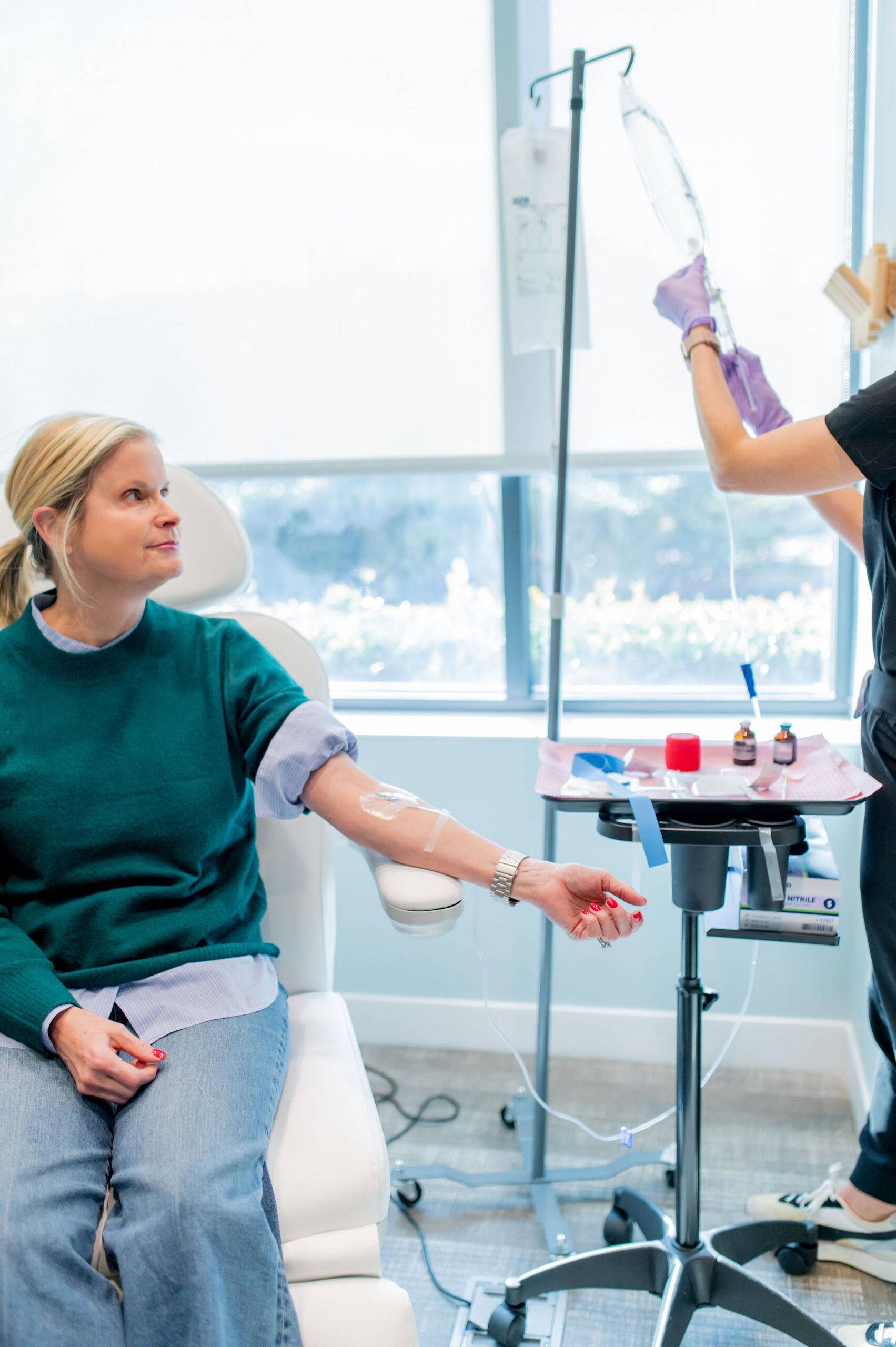
5 IV Therapy Benefits: Plus What Hydration and Vitamin Infusions Actually Do
IV hydration therapy gets talked about like a trend. A drip bar pops up in a strip mall, a celebrity posts a photo with a needle in their arm, and the whole thing starts to sound like a wellness fad with a good marketing team behind it. But if you strip away the packaging and the pop culture hype, the treatment itself is straightforward and can have some truly positive results.
IV therapy delivers fluids, electrolytes, vitamins, or other compounds directly into your bloodstream, bypassing your digestive system entirely. For certain goals, that route matters. Here’s what the benefits of IV therapy actually look like, and who tends to notice them.
Key Takeaways
- IV therapy benefits come from bypassing digestion, so hydration and nutrients reach your bloodstream faster and at higher concentrations than what you’d absorb from drinking water or taking a supplement.
- Common reasons people seek out IV hydration therapy include dehydration, fatigue, recovery from illness or travel, hangover symptoms, and support around workouts.
- Glutathione and vitamin C are two common additions, each with a different role in the formula.
- Most sessions take 30 to 60 minutes, and many patients report feeling a difference in energy or hydration within a day.
- This isn’t a substitute for medical treatment of an underlying condition. A consultation should confirm you’re a good candidate before you start
What Is IV Hydration Therapy?
IV hydration therapy uses an intravenous line to deliver a fluid mixture, usually saline or a similar solution, directly into a vein. From there, a provider can add vitamins, minerals, amino acids, or antioxidants based on what’s being addressed. The bag drips slowly over the course of the appointment, and the fluid moves into your bloodstream in real time.
What Makes IV Hydration Therapy Unique?
Oral hydration and supplements have to survive your digestive system first. Stomach acid, enzymes, and your gut lining all affect how much of what you swallow actually reaches your cells. IV therapy skips that step. Nutrients and fluids enter circulation directly, which is why the effects can feel more immediate, especially if you’re already dehydrated or your body is under stress.
Top 5 IV Hydration Therapy Benefits
1. Faster, More Complete Hydration
This is the first one and the most direct of the IV hydration therapy benefits. We also see it as the reason most people book their first appointment!
The water you drink has to be absorbed through your gut, a process that takes time and competes with everything else your digestive system is doing. IV fluids go straight into your bloodstream. That’s why patients recovering from a stomach bug, a long flight, or an intense workout often feel the difference faster than they would from drinking water alone.
2. Improved Energy
Dehydration and nutrient gaps are common, underdiagnosed contributors to feeling run down. B vitamins in particular play a role in how your body converts food into usable energy. Replacing fluids and key vitamins at the same time through targeted hydration therapy can help address two causes of fatigue in a single appointment, rather than treating them separately.
3. Immune Support
Formulas built around vitamin C, zinc, and other antioxidants are popular during cold and flu season or ahead of travel. These nutrients support normal immune function, and IV delivery allows for higher concentrations than your gut would typically absorb from a pill.
4. Recovery Support
Athletes and active patients use IV therapy to support recovery after intense training or events. Replacing fluids and electrolytes lost through sweat, alongside amino acids that support muscle repair, is a common protocol for fitness-focused adults. IV therapy is an easy way to check that box while relaxing in a luxury setting.
5. Hangover and Illness Relief
Alcohol and illness are both dehydrating, and both can deplete electrolytes and specific vitamins. A hydration-focused IV with added electrolytes and anti-nausea medication, when applicable, is one of the more requested use cases we see all year long.
Vitamin C IV Therapy Benefits
Vitamin C is one of the most talked bout single additions to an IV formula, and it shows up in nearly every IV at our clinic for a reason. It’s an antioxidant, meaning it helps neutralize free radicals that contribute to cellular stress. It also plays a role in collagen production, which connects it to skin renewal and health, and it supports normal immune function.
Oral vitamin C has a ceiling. Past a certain dose, your gut simply stops absorbing more of it, and you excrete the rest. IV delivery allows for concentrations well beyond what oral supplementation can achieve, which is part of why it’s paired so often with immune support and skin-focused formulas.
Benefits of glutathione IV Therapy
Glutathione is produced naturally in your liver and is often described as your body’s master antioxidant. It plays a central role in detoxification and in protecting cells from oxidative stress.
As an IV addition, glutathione is requested for a few specific goals. Patients interested in skin brightness and tone often ask about it, since oxidative stress is one contributor to dullness and uneven pigmentation. It’s also used for general antioxidant support, particularly by patients already focused on longevity and lifestyle goals as part of a broader wellness or GLP-1s for weight loss plan.
Glutathione degrades quickly when taken orally, since digestion breaks down much of it before it reaches your bloodstream. IV administration is the more direct route if this is specifically what you’re after.
IV Therapy Anti-Aging Benefits
Anti-aging isn’t a single mechanism, so it helps to separate what IV therapy can realistically support from what it can’t.
Hydration itself affects how skin looks and feels. Well-hydrated skin appears plumper and more resilient. Chronic mild dehydration can make fine lines more noticeable. Antioxidants like vitamin C and glutathione support your body’s defense against oxidative stress, one of several factors that contribute to skin aging over time. Collagen-supportive nutrients delivered through an IV can complement the work collagen-stimulating treatments, like microneedling with PRP, are already doing at the skin level.
None of this replaces treatments designed specifically to address wrinkles (Botox®), volume loss (dermal fillers), or skin texture. IV therapy is a supportive layer, not a substitute for injectables or skin renewal treatments built for those specific concerns.
If visible signs of aging are your main goal, a consultation can help you figure out where IV therapy fits alongside other treatments designed to address them.
IV Vitamin Therapy Benefits: What Each Formula Targets
IV therapy is built around goals: hydration, energy, immunity, recovery, or beauty and skin. The right one depends on what you’re trying to address, though the specific formula is determined by your provider based on your symptoms during your consultation.
If Your Main Concern Is: |
Look For: |
Formula: |
| Dehydration from illness, travel, or heat | Fluids and electrolytes | Eau Vitale (“Vital Water”) |
| Low energy or fatigue | B vitamins and fluids | Premire Renew (aka Meyer’s Cocktail) |
| Getting sick or fighting something off | Vitamin C, zinc, and antioxidants | Immunity Reserve |
| Post-workout recovery | Electrolytes and amino acids | Revitàluxe |
| Skin tone and brightness | Glutathione and vitamin C | Snow Bright |
| Hangover symptoms | Fluids, electrolytes, and anti-nausea support | Renatus (“Reborn”) |
| Metabolism or weight loss | B-12, L-taurine, and vitamins | Slim Silhouette |
Formulas can also be customized by providers! During a consultation, we’ll talk through your goals and any relevant health history to build a mix suited to you, rather than defaulting to whatever’s most popular.
Who’s a Good Candidate and Who Should Avoid It?
Most healthy adults are reasonable candidates for IV hydration therapy. That said, this treatment isn’t appropriate for everyone.
You may need to wait or choose a different approach if you:
- Have kidney disease or a condition affecting fluid balance
- Have congestive heart failure or another cardiac condition
- Are pregnant or breastfeeding, without medical clearance
- Have a known allergy to an ingredient in the formula
- Have a bleeding disorder or a condition affecting your veins
- Are currently on medication that could interact with a specific additive, such as glutathione or high-dose vitamins
Note: These considerations aren’t automatic disqualifiers, but you should mention them during your consultation if you’re considering this treatment. So if any of these apply to you, don’t rule yourself out before talking to a provider. Some are timing issues, others require medical clearance, and a modified formula can often be built around them.
What to Expect Before, During, and After Hydration Therapy
Before Your Appointment
Eat a light meal beforehand and drink some water on your way in. Being reasonably hydrated already makes it easier for your provider to place the IV.
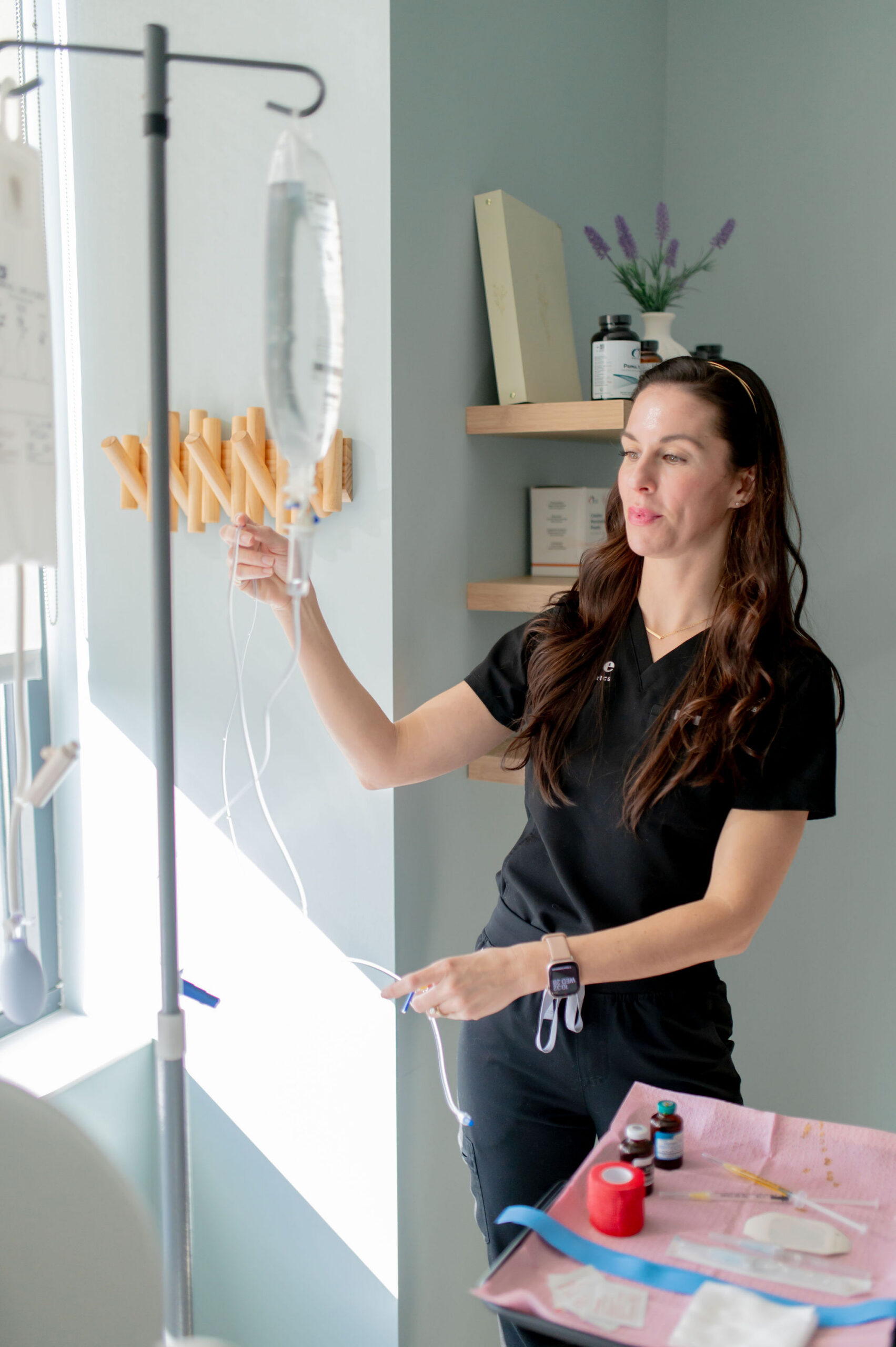
During the Treatment
A provider will place a small needle into a vein, typically in your arm, connected to a bag of the fluid and vitamin mix. The needle stays in for the entire appointment, but once it’s placed, most patients feel little to nothing beyond mild pressure. Therapy appointments typically last 30 to 60 minutes, depending on the formula and fluid volume. You can sit, read, or work on your phone while the fluids and vitamins do their work.
Immediately After
The needle comes out, a small bandage goes on, and you’re free to go about your day. Some patients feel a difference in energy or hydration within hours. For others, especially with formulas focused on antioxidants or skin support, the effect builds more gradually over the following day or so.
How Often Should You Get IV Therapy?
The answer to this depends entirely on why you’re doing it. Someone using IV therapy occasionally for travel recovery or an isolated bout of dehydration might book a single session as needed. Someone using it for ongoing energy support, immune maintenance, or as part of a broader wellness plan might come in every few weeks.
There’s no universal protocol here, which is why having an expert on your side can help you make a plan and schedule appointments. They’ll help you figure out a reasonable cadence based on your goals, rather than defaulting to a generic recommendation that may not fit your situation or busy lifestyle.
Why Choose SHINE for IV Hydration Therapy
Everything we’ve covered so far explains what IV therapy can do in general. What it actually does for you depends on the formula, and that’s where a generic drip bar and a luxurious medically supervised practice are different.
At SHINE, hydration therapy starts with a consultation. Our team helps review your symptoms, your goals, and any medications or supplements you’re already taking before your provider determines the right formula for you. From there, your provider will help you understand the options available.
Here’s a look at some of the therapies we offer and how each one is formulated to support you:
IV Therapy Formula |
What’s Inside and How It Supports You: |
| Eau Vitale | A hydration-first blend of vitamin C, B-complex, and trace minerals for straightforward rehydration |
| Snow Bright | Which pairs vitamin C with glutathione and alpha lipoic acid for patients focused on skin brightness and tone |
| Immunity Reserve | Built around vitamin C, zinc, and glutathione for immune support during travel, stress, or a run-down stretch |
| Premier Renew (an elevated take on the classic Myers’ Cocktail) | Combining magnesium, B-complex vitamins, and calcium gluconate for full-system recovery |
Sessions usually last an hour or less, and many patients pair a drip with another appointment already on the calendar rather than carving out separate time for it.
SHINE members get a free monthly Express Hydrafacial along with discounts on services and products. Financing is also available, and financing through PatientFi means a course of treatments doesn’t have to be paid for upfront. The application takes about a minute and doesn’t affect your credit score.
Get started today
If you’re trying to figure out which formula actually fits what you’re dealing with, that’s exactly what the consultation is for. As part of our elite wellness services, the team at SHINE in Alpharetta, GA will walk through your symptoms and history and match you to a plan.
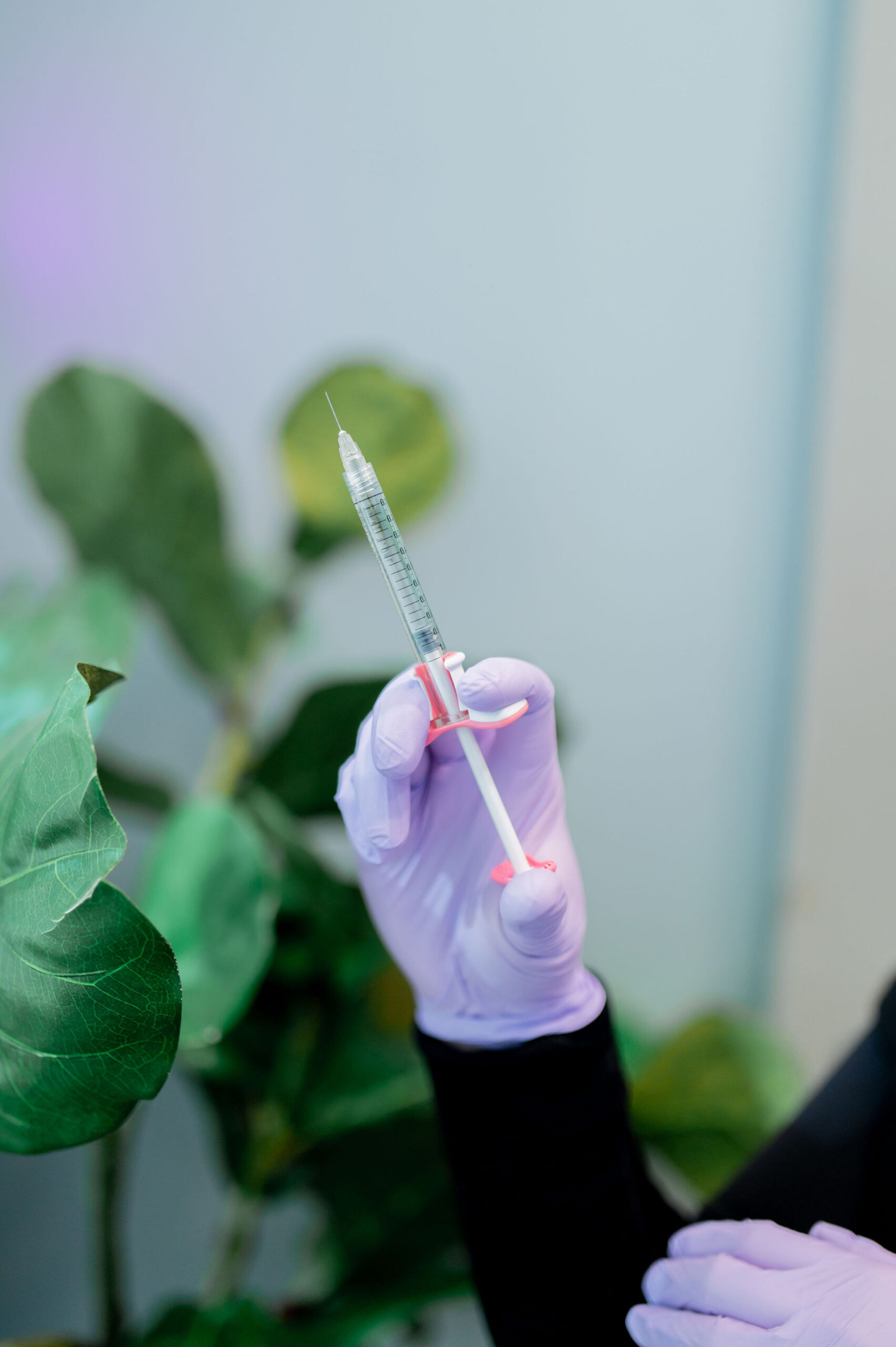
Everything You Need to Know About How Peptides Work and Are Used in Wellness
Peptides have become one of the most talked-about topics in health, wellness, and aesthetics. From skincare products and weight management programs to recovery-focused wellness treatments, peptides are being incorporated into a growing number of personalized health strategies for both wellness gurus and generally health-conscious people.
As interest continues to grow, many people are asking the same questions: what are peptides used for, how do they work, and are they right for me?
The answer depends on the specific peptide in question and the goal of the person asking. Some peptides occur naturally in the body and help regulate important biological processes. Others are used in skincare products, while certain peptide-based therapies are incorporated into medically supervised wellness programs.
So, while peptides can offer exciting possibilities, it’s important to work with a qualified provider before embracing this wellness and aesthetic therapy. An expert on your side can help you understand the many nuances of peptides, what your options are, and more. They can even help you determine whether a peptide-based approach aligns with your health, lifestyle, and wellness goals.
Key Takeaways
- What peptides are used for depends on the specific peptide, but common applications include wellness support, skincare, metabolism, weight loss, and exercise performance and recovery.
- Peptides are short chains of amino acids that act as signaling molecules throughout the body.
- Some peptides occur naturally, while others are developed for therapeutic, cosmetic, or wellness-related uses.
- Peptide therapy is the use of specific peptides within a personalized wellness program designed to support one or more particular health goals.
What Are Peptides?
Quick answer: Peptides are short chains of amino acids linked together by peptide bonds. Most peptides contain between 2 and 50 amino acids, making them smaller than proteins but similar in structure. Not only are they structurally similar to proteins, but they’re also the foundation of them!
An easy way to think about peptides is to imagine building blocks.
Individual amino acids are like single blocks. When several amino acids connect, they form a peptide. When much larger chains of amino acids join together and fold into complex structures, they become proteins.
The size of a peptide often influences how it functions within the body. Because peptides are relatively small, they can act as messengers that help cells communicate with one another. These signaling functions allow peptides to play a role in many biological processes related to growth, metabolism, recovery, and overall wellness.
Your body naturally produces numerous peptides every day. Some help regulate hormones, others assist with immune function, and many contribute to the complex communication systems that keep the body operating efficiently.
As researchers have learned more about these naturally occurring compounds, peptides have become increasingly important in both medicine and wellness-focused care.
What Are Peptides Used For?
When people ask what peptides are used for, the answer can vary significantly depending on the exact type of peptide in question. Broadly speaking, peptide use falls into three main categories: natural biological signaling, therapeutic applications, and cosmetic or wellness-related uses.
Peptide Use #1: Natural Signaling Within the Body
Many peptides occur naturally and serve as communication tools between cells. These signaling molecules help regulate a wide range of functions, including hormone activity, metabolism, appetite regulation, tissue maintenance, immune responses, and cellular communication.
Without peptides, many of the body’s essential systems wouldn’t function properly.
Peptide Use #2: Therapeutic and Medical Applications
Researchers have also developed peptide-based medications and therapies for a variety of medical purposes.
Certain peptide-based treatments are used under medical supervision to support specific health needs. The thinking behind this is that often peptides can target particular biological pathways with a high degree of specificity. This targeted nature is one reason peptides continue to be an area of active scientific research and innovation.
Peptide Use #3: Cosmetic and Wellness Uses
Peptides are growing in popularity outside of traditional medicine, too. They’re increasingly incorporated into skincare products, wellness programs, and aesthetic treatments to target a range of beauty, wellness, and aesthetic concerns.
In skincare, peptides are often included in formulations designed to support healthy-looking skin. Within wellness settings, personalized peptide therapy programs are designed to support vitality, recovery, fitness performance, healthy aging, metabolic wellness, and overall wellness.
What is Peptide Therapy?
Many people researching peptides eventually ask: What exactly is peptide therapy?
In a wellness setting, peptide therapy refers to the use of carefully selected peptides as part of a personalized treatment plan designed to support specific health and wellness goals. Rather than taking a one-size-fits-all approach, providers evaluate a patient’s needs and recommend therapies that align with their lifestyle, concerns, and desired outcomes
At SHINE Medical Aesthetics, peptide therapy is incorporated into customized wellness programs that focus on supporting overall wellbeing through physician-guided care and ongoing monitoring.

Our three targeted programs include:
Glow Program
The Glow Program is designed for patients interested in supporting healthy-looking skin, confidence, and overall vitality as part of a comprehensive wellness approach.
Longevity Program
The Longevity Program focuses on supporting energy, resilience, recovery, and healthy aging through a personalized wellness strategy.
Medical Weight Loss Program
For patients focused on metabolic wellness and long-term lifestyle changes, peptide-based support is incorporated into our medical weight loss programs as part of a broader physician-guided care plan.
How Everyday People Use Peptides
While peptides have important scientific and medical applications, more often, people encounter them through wellness, aesthetics, and healthy aging programs. How peptides are delivered depends on the peptide and what people are hoping to achieve by using them.
On the Skin (Topical Peptides)
Many skincare products contain peptides that are applied directly to the skin. You’ll commonly find peptides in serums, creams, eye treatments, and moisturizers.
These formulations are frequently used as part of anti-aging and skin-support routines because peptides can help support the appearance of healthy, youthful-looking skin.
Taken by Mouth (Oral Peptides)
Some peptides are taken via oral formulations. These products are designed to fit easily into a daily wellness routine and may be recommended depending on a patient’s goals and treatment plan.
Because different peptides behave differently within the body, not all peptides are available or effective in oral form.
Peptide Injections
Injectable peptides are one of the most common delivery methods used in medically supervised wellness programs. This approach allows peptides to enter the body directly. This method is often utilized when providers want a more targeted and consistent way to administer the treatment.
The Benefits of Peptide Therapy
Because different peptides are designed to support different goals, the potential benefits of peptide therapy can vary from person to person. This is one reason personalized treatment plans are so important.
Depending on the program and your individual objectives, peptide-based wellness plans may support:
- Overall wellness and vitality
- Healthy aging initiatives
- Skin health and appearance
- Recovery from exercise and physical activity
- Metabolic wellness support
- Weight management efforts
- Energy and resilience
- Healthy lifestyle goals
- Personalized wellness optimization
- Long-term wellbeing strategies
The most effective programs are those that are tailored to the individual and integrated into a broader wellness plan that includes healthy habits, proper nutrition, regular exercise, and ongoing medical guidance.
How To Use Peptides Safely
- Work with a qualified provider.
A professional can help determine whether peptide-based treatment is appropriate for your goals and health history. - Choose reputable sources.
Quality matters. Peptides should come from trusted providers, pharmacies, and manufacturers that follow strict quality standards. - Follow recommended dosing.
More is not always better. Following your provider’s guidance helps reduce unnecessary risks. - Monitor for side effects.
Pay attention to how your body responds and communicate any concerns with your healthcare provider. - Attend follow-up appointments.
Ongoing monitoring allows adjustments to be made when necessary and helps ensure your treatment plan continues to align with your goals.
If you’re considering peptides, safety should always be a priority – no matter how you’re using them. While peptides have become increasingly popular, not all products are created equally, and proper guidance can make a significant difference in both efficacy and outcomes.
Side Effects, Contradictions, and What to Watch for When Using Peptides
As with many wellness and medical treatments, potential side effects vary depending on the specific peptide, method of administration, dosage, and individual patient factors.
Some people may experience mild reactions such as redness or irritation at an injection site, temporary digestive discomfort, or other treatment-specific effects. Certain health conditions, medications, or underlying medical concerns may also affect whether a particular peptide is appropriate.
If you experience unexpected symptoms or have concerns about a treatment, contact your healthcare provider. Seek immediate medical attention if you develop signs of a serious allergic reaction or other severe symptoms.
Working with a qualified provider can help ensure that potential risks, contraindications, and monitoring requirements are properly addressed before beginning treatment.
Get Started Using Peptides
Now that you understand what peptides are used for, it’s easier to see why they’ve become such a popular topic in wellness, aesthetics, beauty, and healthy aging.
Peptides play important roles throughout the body, helping regulate communication between cells and supporting numerous biological functions. Today, they’re used in everything from skincare products and wellness programs to physician-guided therapies designed to support specific health goals.
If you’re researching what peptide therapy is, exploring ways to support your overall wellness, or simply curious about whether peptides may fit into your health or beauty strategy, the best next step is speaking with a qualified provider.
At SHINE Medical Aesthetics, our team takes a personalized approach to wellness. We’ll help you understand your options, answer your questions, and determine whether a peptide-based program aligns with your goals.
Common Questions About Peptides
No. Peptides and steroids are completely different. Peptides are short chains of amino acids that act as signaling molecules within the body. Steroids are synthetic compounds designed to mimic certain hormones. They work through different biological mechanisms and serve different purposes.
Not necessarily. Skincare peptides are typically included in topical products designed to support the appearance of healthy skin. Therapeutic peptides used in wellness settings are selected for specific goals and are often administered under the guidance of a qualified provider. That said, one of the common uses for therapeutic peptides is skin and appearance! If this is your focus, it’s best to speak with a provider who can help you understand if injections or topical products are better for your unique situation.
Results vary depending on the individual, the peptide being used, and the intended goal. Some people notice changes after starting peptides within a few weeks, while others may require several months of consistent use and follow-up care before experiencing meaningful improvements.
Individuals interested in supporting overall wellness, healthy aging, recovery, skin health, or metabolic wellness may benefit from using peptides. A consultation with a qualified provider can help determine whether peptides are appropriate for your specific goals and health history.
When prescribed and monitored by a qualified healthcare provider, peptide therapy can be safely incorporated into a personalized wellness plan. Safety depends on factors such as the specific peptide, dosing approach, medical history, and ongoing supervision.
Working with an experienced provider helps ensure that your treatment plan is appropriate, personalized, and based on quality products sourced from reputable pharmacies and manufacturers. A qualified clinician can also monitor your progress, answer questions, and help address any concerns throughout your wellness journey.
These services are for wellness optimization and educational purposes only. Products are not approved by the FDA to diagnose, treat, cure, or prevent any disease.

Microneedling With PRP: Benefits, What to Expect, Recovery, and Results Timeline
You’ve probably seen someone walking out of a treatment looking like they just stepped off a movie set, their face flushed and glowing at the same time. There’s a good chance that’s microneedling with platelet-rich plasma (PRP). Despite the dramatic nickname, the “vampire facial” is one of the most popular skin treatments out there.
If you’re researching whether microneedling with PRP is right for you, here’s what you actually need to know. No hype, just the facts.
Key Takeaways
- Microneedling with PRP combines two proven treatments to support deeper skin renewal than one treatment could alone.
- PRP is drawn from your own blood, concentrated in a centrifuge, and applied to the skin (or injected) immediately after microneedling to amplify the healing response.
- Thanks to microneedling with PRP, acne scars, fine lines, skin texture, enlarged pores, and uneven tone can be improved, though results vary by skin type, concern, and number of sessions.
- Most patients need a series of three to four treatments spaced four to six weeks apart, with results continuing to develop for months after the final session.
- Downtime is typically mild with redness and tightness lasting for one to three days, though this varies based on needle depth and individual skin sensitivity.
- This treatment isn’t right for everyone. Active skin infections, pregnancy, certain medications, and other factors may require you to wait or choose an alternative skin treatment.
What Is Microneedling With PRP?
Let’s start with the basics.
Microneedling treatments, sometimes known as collagen induction therapy, involve a device with fine needles to create controlled micro-injuries in the skin. These tiny punctures trigger your body’s natural healing response. The healing response causes increased collagen and elastin production in the treated area. More collagen means firmer, smoother, more resilient skin over time.
PRP rejuvenation therapy uses platelet-rich plasma. It comes from your own blood. A small amount is drawn at the start of your appointment, spun in a centrifuge to concentrate the platelets and growth factors, and then applied to your skin immediately after microneedling. Because the micro-channels created by the needles are still open, the PRP absorbs more effectively than it would on untouched skin. Depending on your provider’s protocol, PRP may also be injected directly into specific areas.
Why is Microneedling with PRP sometimes called a “vampire facial?”
The “vampire facial” nickname? That’s thanks to Kim Kardashian, who posted her post-treatment photos back in 2013. The name stuck. The treatment has only gotten more refined since then.

Microneedling Alone vs. Microneedling with PRP: What’s Different?
Standard microneedling is highly effective on its own. It is designed to stimulate collagen remodeling, help improve texture, and address mild scarring and fine lines. For the right patient with the right concerns, it may be all they need.
Adding PRP rejuvenation to the equation introduces growth factors that may support faster healing and a more robust regenerative response. The evidence on PRP varies by intended use, but the rationale is sound: you’re delivering concentrated healing factors directly into skin that’s been primed to receive them.
The practical differences between the two approaches:
- Downtime is similar for both microneedling with and without PRP, though some patients may find recovery feels slightly smoother with PRP added, possibly due to the anti-inflammatory properties of the growth factors.
- Session cost is higher for microneedling with PRP added, since the blood draw and centrifuge process add time and resources.
- Results for concerns like moderate acne scarring tend to be more pronounced from PRP with microneedling over a singular microneedling treatment, though individual response varies.
The honest answer is that not every patient needs PRP added. During a consultation, your trusted aesthetics provider can assess your specific concerns and do an advanced skin analysis to tell you whether the combination makes sense for your goals.
Microneedling With PRP Benefits (What It May Help)
Acne Scars
This is one of the strongest use cases. Atrophic scars (the pitted, depressed type) respond well to the collagen remodeling triggered by microneedling, and PRP’s growth factors may support the filling and resurfacing process. Results take time and typically require multiple sessions, but improvement in scar depth and texture is often achievable.
Fine Lines and Early Wrinkles
PRP and microneedling can work well together to address superficial lines around the eyes, forehead, and lips. If you’re hesitant about exploring Botox injections, this might be a good place to start. Microneedling with PRP can’t truly replace a neuromodulator like Botox for more visible expression lines, but for fine surface texture and early skin aging, it’s a strong option.
Skin Texture and Tone
Patients report noticing an overall improvement in how their skin looks and feels. This treatment combination is designed to deliver a smoother, more even complexion, with a healthy glow that builds over weeks following treatment.
Enlarged Pores
As collagen production increases and the surrounding skin becomes more structured, pore appearance may improve over a series of treatments.
Hyperpigmentation and Uneven Tone
Results here are more variable and depend significantly on skin tone and the depth of pigmentation. This is a good conversation to have during your consultation, particularly if you have a darker complexion, since post-inflammatory hyperpigmentation is a consideration with any resurfacing treatment.
Overall Rejuvenation
For patients who don’t have a single dramatic concern but want their skin to look healthier, more radiant, and more resilient, microneedling with PRP works well as a proactive investment.
Who’s a Good Candidate and Who Should Avoid It?
Most healthy adults are reasonable candidates and can enjoy positive microneedling with PRP before and after results. That said, this treatment isn’t appropriate for everyone.
You may need to wait or choose a different approach if you:
- Are pregnant or breastfeeding
- Have recently used isotretinoin (Accutane)
- Have an active acne breakout, skin infection, or open wounds in the treatment area
- Are experiencing a flare of eczema, rosacea, or another inflammatory skin condition
- Have a history of poor wound healing or keloid scarring
- Have had recent radiation to the treatment area
- Have a bleeding disorder or are on anticoagulant medications
- Note: This isn’t an automatic disqualifier, but you should mention it during your consultation if you’re considering this treatment.
If any of these apply to you, don’t self-disqualify before talking to a provider. Some are timing issues, others require medical clearance, and some can be worked around with a modified approach.
Scheulde a consultation and let a clinician help you figure out your options.
Microneedling with PRP Before and After Treatment: What to Expect

Before your appointment
Your provider will likely ask you to avoid sun exposure, stop using active ingredients like retinoids or acids for a few days, and arrive with clean skin. Staying well-hydrated in the days leading up to treatment supports the blood draw process.
During the Treatment
A topical numbing cream is applied first, so discomfort is manageable. A small amount of blood is drawn from your arm, spun in a centrifuge to isolate the PRP, and prepared while the numbing takes effect. The microneedling device is then passed over the treatment area, followed by application of the PRP. Most appointments take about an hour.
Immediately After Your Facial
Your skin will look red, though not as drastically as Kim Kardashian’s over 10 years ago. The science behind microneedling and PRP treatments has gotten a lot better. Tightness, warmth, and mild swelling are normal, so don’t worry. This is your body doing exactly what it’s supposed to do.
| What’s normal following a PRP microneedling treatment | Side effects that warrant a call to your provider |
| Redness that gradually fades over 24-72 hours | Significant swelling or pain that worsens after the first 48 hours |
| Mild peeling or flaking as the skin renews (days 2-5) | Signs of infection, such as increased redness, warmth, or discharge |
| Skin that feels dry or tight. Just keep it moisturized and be gentle | Prolonged breakouts or rashes that don’t get better within a week or two |
| A pink or bronzed tone that resolves over the first week | Itching that doesn’t stop when you moisturize your skin |
Expert Tip: Avoid direct sun exposure, heavy sweating, and active skincare ingredients for at least a week post-treatment. Sunscreen is non-negotiable during the recovery period and beyond.
Common Microneedling with PRP Recovery Timeline
Days 1-3: Redness, tightness, possible mild swelling. Not the moment to evaluate results.
Days 4-7: Skin begins to settle. Peeling may occur. Some patients notice a subtle glow as initial healing completes.
Weeks 2-4: Skin looks cleaner, feels smoother. Early texture improvements become visible. This is when most patients start feeling good about their decision.
Months 1-3: Collagen remodeling continues beneath the surface. Improvements in scar depth, pore appearance, and overall tone become more noticeable.
Months 3-6 (after a full series): Full results from a treatment series. Skin looks meaningfully different. This may be seen in a complexion that’s more even, more refined, and seemingly more resilient.
Results vary depending on the concern being treated, skin type, and how many sessions you complete. Acne scarring typically requires the most sessions and the most patience. Microneeding with PRP under-eye treatments have their own healing considerations. Fine lines and overall texture tend to respond more quickly.
How Many Sessions Do You Need and How Long Do Results Last?
For most patients, a series of three to four sessions spaced four to six weeks apart is the starting recommendation. Deeper scarring or more significant concerns may call for additional sessions.
Results from a completed series can last a year or more, depending on your skin, your age, and how well you protect and care for your skin between and following treatments. Most patients choose to do one maintenance session annually to preserve and build on their results.
You should know that there’s no universal protocol for how often to do PRP with microneedling. Your provider should tailor the number of sessions and spacing to your specific skin analysis results.
Cost, Provider Selection, and Questions to Ask at a Consultation
Microneedling with PRP is an elective, out-of-pocket treatment. Pricing varies based on your provider’s experience level, geographic location, the depth and scope of treatment, and the number of sessions in your plan. In most markets, per-session pricing for the combination treatment runs higher than microneedling alone due to the additional steps involved in PRP preparation.
Rather than shopping on price alone, focus on what actually determines your outcome: the provider.
These are questions a qualified provider is often happy to answer:
- What are your credentials, and how long have you been performing this treatment?
- How is your PRP prepared? What centrifuge system do you use, and what concentration do you target?
- Do you use sterile, single-use needle cartridges for every patient?
- Can I see microneedling with PRP before-and-after photos from real patients with concerns similar to mine?
- What does your aftercare protocol look like, and what’s your process if I have a complication?
- How do you approach treatment differently for different skin tones?
When you’re ready to find out whether this treatment is the right fit for your skin and your goals, the best next step is a conversation. As part of our cosmetic injectables and skin renewal services, the team at Shine Medical Aesthetics in Alpharetta, GA offers personalized consultations designed to help you understand exactly what to expect and build a plan that’s right for you.